$160.99
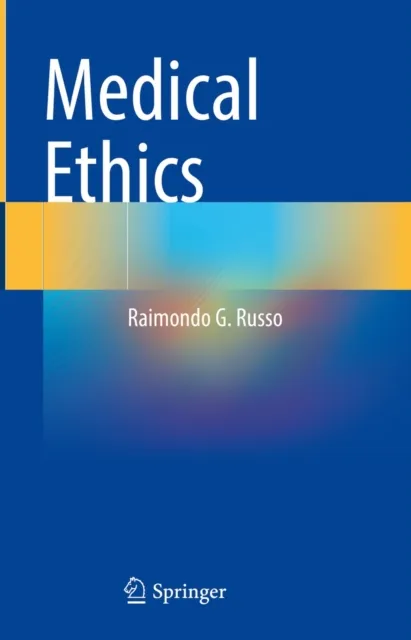
Medical Ethics
The Surgeon's Perspective

Introduction
This book offers a comprehensive exploration of the ethical complexities unique to surgical practice. Grounded in the foundational principles of autonomy, beneficence, non-maleficence, and justice, it adapts each to the high-stakes, often urgent nature of surgical decision-making.
Historical Context
The historical evolution of medical ethics—from ancient philosophy to modern bioethics—sets the stage for a nuanced discussion of autonomy, particularly the role of informed consent in respecting patient self-determination.
Ethical Challenges
The text addresses challenges in emergency contexts and ethically sensitive areas like euthanasia, abortion, and assisted reproduction. Beneficence and non-maleficence are examined in depth, especially where they conflict—such as in experimental or high-risk surgeries, end-of-life care, and organ transplantation. These scenarios demand careful balancing of patient welfare, risk, and emotional well-being.
Justice and Equity
Justice is presented as a call to action: surgeons must advocate for equitable healthcare access, especially in resource-limited settings and amid technological advances that risk widening disparities.
Trust and Confidentiality
Confidentiality and informed consent are emphasized as pillars of trust, even in team-based or emergency environments. The book also scrutinizes the ethics of surgical research, highlighting the need for transparency and caution in industry partnerships and experimental procedures that may compromise patient autonomy.
Frameworks and Principles
By integrating deontological and bioethical frameworks, the author provides surgeons with a flexible yet principled guide to navigating evolving ethical landscapes. The work encourages integrity, compassion, and patient-centered care, positioning surgeons as moral agents committed to justice and human dignity in a complex medical world.