$69.99
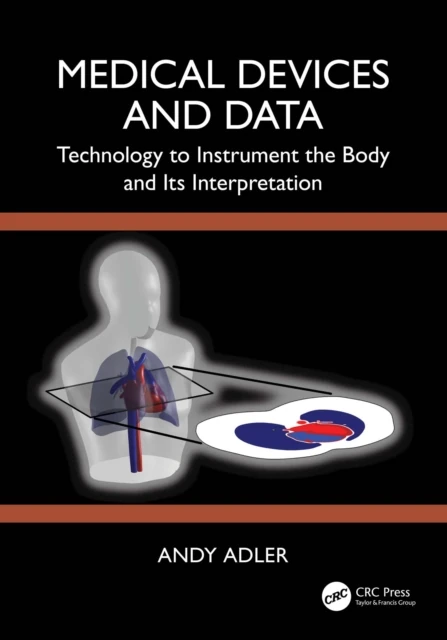
Medical Devices and Data
Technology to Instrument the Body and its Interpretation

Medical Devices and Data: Technology to Instrument the Body and Its Interpretation
The miniaturization of electronics has driven a huge innovation in medical instruments. Medical-grade systems are now able to be sent home with patients, alongside small, portable devices for monitoring sports performance, stress, and lifestyle.
The core ideas behind these devices originated about 130 years ago, but they are now made cheaply and are readily available in consumer devices like smart watches, as well as in new diagnostic instruments.
It also identifies the key factors that are driving this innovation further.
This text is written for those who would like to understand non-invasive medical instruments in more detail. It is written in an accessible manner, and no formal background in science, engineering, or medicine is required. Some equations are used where necessary, but calculus is avoided. This book explains the key ideas behind the advanced techniques used.
All data, software, and figures used in this book are made available online at the following link: https://url.us.m.mimecastprotect.com/s/N28qCwpEkBHAJkEoyFQF8HJhX1S?domain=bitbucket.org
Key features
Explores the design and use of medical instrumentation, seeking to explain the data measured and how it relates to body processes.
Discusses what these devices mean: modern instruments give a whole range of indications: from basic (heart rate) to much more complicated (sleep quality score). For users of these devices, this book hopes to shed some light on the information available.
Details when results can be trusted and how to cast a critical eye over the accuracy and interpretation of these instruments.