$34.99
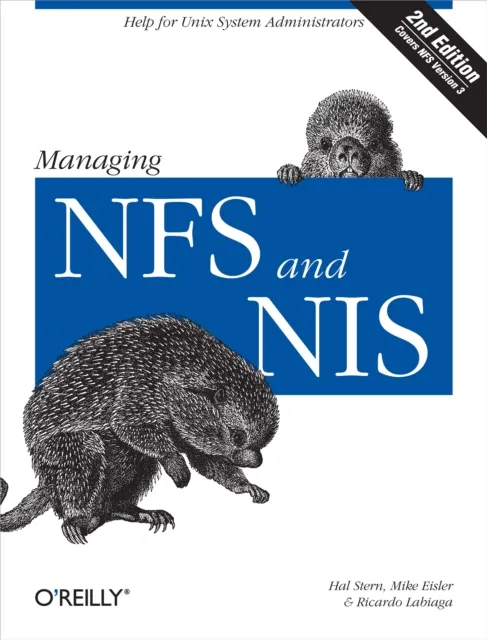
Managing NFS and NIS
Help for Unix System Administrators

Managing NFS and NIS
A modern computer system that''s not part of a network is even more of an anomaly today than it was when we published the first edition of this book in 1991. But however widespread networks have become, managing a network and getting it to perform well can still be a problem.Managing NFS and NIS, in a new edition based on Solaris 8, is a guide to two tools that are absolutely essential to distributed computing environments: the Network Filesystem (NFS) and the Network Information System (formerly called the "yellow pages" or YP). The Network Filesystem, developed by Sun Microsystems, is fundamental to most Unix networks. It lets systems ranging from PCs and Unix workstations to large mainframes access each other''s files transparently, and is the standard method for sharing files between different computer systems. As popular as NFS is, it''s a "black box" for most users and administrators. Updated for NFS Version 3, Managing NFS and NIS offers detailed access to what''s inside, including:
- How to plan, set up, and debug an NFS network
- Using the NFS automounter
- Diskless workstations
- PC/NFS
- A new transport protocol for NFS (TCP/IP)
- New security options (IPSec and Kerberos V5)
- Diagnostic tools and utilities
- NFS client and server tuning
NFS isn''t really complete without its companion, NIS, a distributed database service for managing the most important administrative files, such as the passwd file and the hosts file. NIS centralizes administration of commonly replicated files, allowing a single change to the database rather than requiring changes on every system on the network. If you are managing a network of Unix systems, or are thinking of setting up a Unix network, you can''t afford to overlook this book.