$59.99
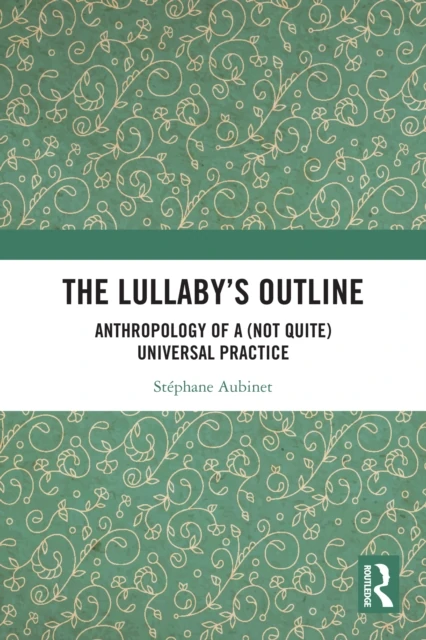
Lullaby's Outline
Anthropology of a (Not Quite) Universal Practice

Introduction
This book offers an anthropological exploration of the lullaby, a type of music found in nearly all human societies. The chapters review diverse ethnographic cases, from bedtime routines in Western societies to historical and Indigenous practices.
Beyond Common Definitions
Moving beyond common definitions of the lullaby, the author integrates 'diverging' instances of lulling, including mythological narratives, herding songs used to soothe cattle, sleep-inducing music composed for monarchs, electronic musical dolls, and protective spells.
Understanding Lullabies
The work considers how these varied examples can add layers and depth to our understanding of what it means to lull a child. The investigation displays an innovative approach to musical comparison by investigating the 'partial connections' that different traditions display with one another.
Methodology and Approach
Positioned at the meeting point of comparative musicology and ethnomusicology, the study combines comparative gestures with original fieldwork and acknowledges both the importance of cross-cultural similarities and ethnographic entanglements that complicate generalisations.
Case Studies
Starting from four European traditions (the Irish suantrai, the Georgian iavnana, the Ancient Roman nenia, and the Sami dovdna), the study delves into themes of power, spirituality, death, magic, technologies, and Indigenous ontologies, which echo across diverse cultural contexts without being quite universal.
Target Audience
It will be of interest to scholars of anthropology, music, folklore, and beyond.