$242.99
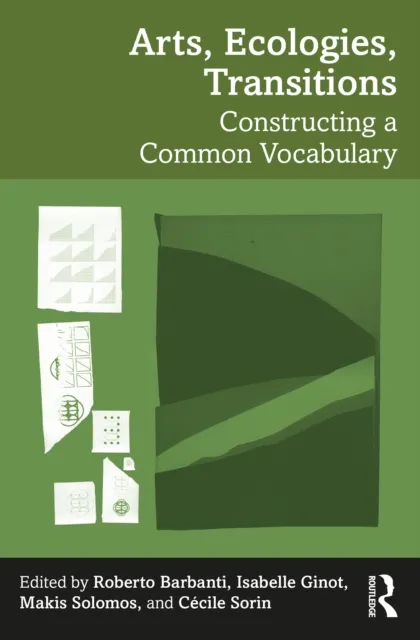
Linking Arts with Biocultural Conservation, Restoration, and Communication

Overview
This book aims to overcome the still prevailing schizophrenic divisions among sciences, humanities, the arts, and multiple forms of ecological knowledge. Discover how these seemingly disparate fields converge to shape the future of biocultural conservation and restoration. The groundbreaking book challenges the traditional divide between the sciences and humanities, offering fresh insights from ecologists, philosophers, artists, and emerging scholars.
Organization
It is organized into three main parts that address the theory, practice, and communication of biocultural conservation and restoration. The first part presents philosophical concepts and issues that illuminate the ontological, epistemological, aesthetic, and ethical dimensions of biocultural conservation and restoration.
Part II: Artistic Projects
In Part II, a diverse array of art projects from around the world are presented to illuminate the values of biocultural diversity. These initiatives foster deep connections between people and their local environments, often inviting audiences to encounter, observe, touch, and appreciate the often-overlooked biodiversity – such as mosses, lichens, and insects. These artistic endeavours demonstrate that arts can be a powerful tool for communicating the ecological and aesthetic significance of biocultural diversity, and it also is a vital catalyst for positive socio-ecological changes. By engaging communities, these projects contribute to sustainable biocultural stewardship.
Part III: Pedagogical and Communicative Strategies
In Part III, different chapters emphasize pedagogical and communicative strategies for linking arts to more inclusive biocultural conservation and restoration. By integrating arts and education, this approach enhances biocultural communication.
Target Audience and Impact
This book is oriented towards a broad public interested in the intersections of environmental issues and the arts. Because of its interdisciplinary nature, this volume provides valuable insights that will enhance your understanding and inspire new ideas for innovative collaborations.