$199.99
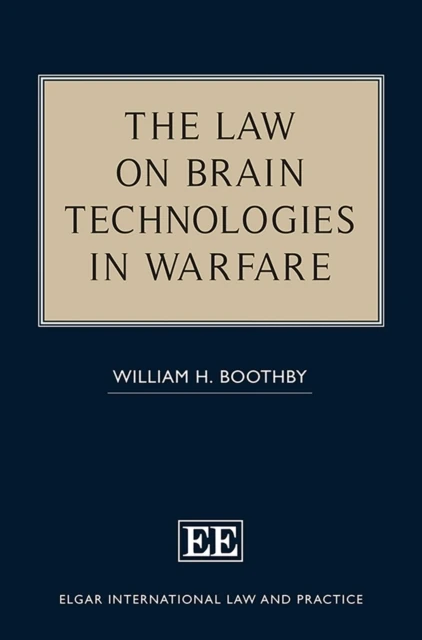
Law on Brain Technologies in Warfare

In this timely book, William Boothby evaluates how existing legal principles and rules apply to various emerging brain technologies.
In particular, he explores the legal and ethical implications of the use of such technologies in the context of warfare.
The book sets out the complex challenges posed by the use of brain-computer interfaces
an innovation which enables both the monitoring and influencing of innermost brain activity, including the use of thought-controlled weapons, and the use of artificial brains in warfare, highlighting how the rapid advancement of science necessitates clear legal boundaries.
Key questions addressed include
the legal acceptability of direct brain-to-brain human interaction, the repercussions of enhancing soldiers' brains and the types of devices prohibited for use on adversaries, as well as broader issues of identity, security and autonomy.
Boothby identifies the positions taken by states and international bodies across the globe, mapping out future system projections and assessing their legal implications.
The Law on Brain Technologies in Warfare is an essential read for
developers, producers, manufacturers and suppliers of brain technologies, as well as practitioners who provide legal advice to the military and governments.
It will also be an important reference point for scholars in the fields of military law, humanitarian law, technology law and international law.
It is also a crucial resource for those involved in the policy development and application of brain technologies in military and security contexts.