$166.99
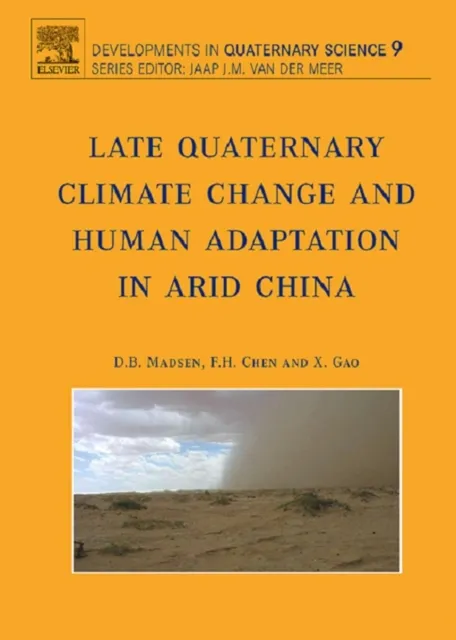
Late Quaternary Climate Change and Human Adaptation in Arid China

Introduction
Due to political pressures, prior to the 1990s little was known about the nature of human foraging adaptations in the deserts, grasslands, and mountains of north western China during the last glacial period. Even less was known about the transition to agriculture that followed. Now open to foreign visitation, there is now an increasing understanding of the foraging strategies which led both to the development of millet agriculture and to the utilization of the extreme environments of the Tibetan Plateau.
Transition and Development
This text explores the transition from the foraging societies of the Late Paleolithic to the emergence of settled farming societies and the emergent pastoralism of the middle Neolithic striving to help answer the diverse and numerous questions of this critical transitional period.
Key Topics
Examines the transition from foraging societies of the Late Paleolithic to the emergence of settled farming societies and the emergent pastoralism of the middle Neolithic
Explores explanatory models for the links between climate change and cultural change that may have influenced the development of millet agriculture
Reviews the relationship between climate change and population expansions and contradictions during the late Quaternary