$30.99
Key Topics in Quantitative Research

Overview
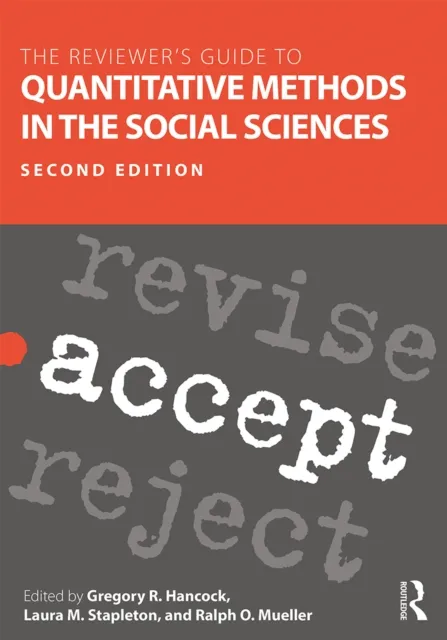
This book gives an overview of the key topics in quantitative methods. Written by an academic who has specialised in quantitative methods in Psychology across a range of sub disciplines, it highlights how crucial understanding quantitative methods is to understanding research in psychology and beyond.
History and Application
First, it briefly considers the history of quantitative methods in psychology citing some key figures in both psychology and statistics. Following this it will describe how we apply models of scientific investigation to psychology to generate reliable knowledge. It will then go on to consider key models we use in quantitative research, from experimental designs to quasi-experimental and correlational designs. Next it introduces sampling theory, and its role in understanding who our findings apply to. The final theoretical consideration is a concise description of null hypothesis significance testing and how we can use it to make inferences about psychological phenomena.
Core Methods
In the next part of the book there will be a focus on some core methods. Starting with a discussion of how we sample participants before exploring statistics in detail. Next, the book looks at how robust quantitative research can impact other fields and policy through improving ecological validity and reliability. Finally, the book gets to grips with key challenges in the future of quantitative research with a discussion of the replication crisis and solutions to it and then exploring how we can improve inclusivity.
Conclusion
This book is an essential text for all students of quantitative methodology.