$73.99
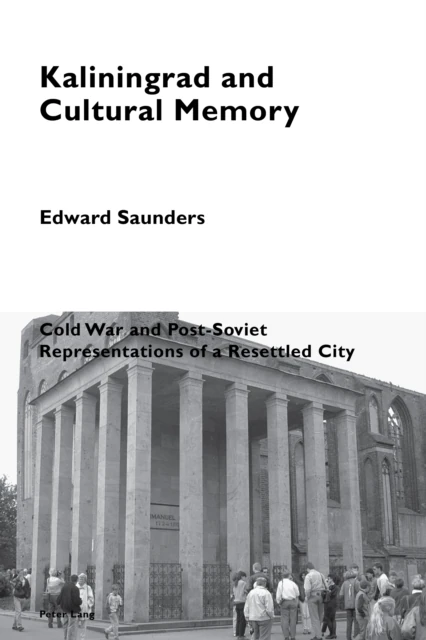
Kaliningrad and Cultural Memory
Cold War and Post-Soviet Representations of a Resettled City

In 1945, the Soviet Union annexed the East Prussian city of Konigsberg, later renaming it Kaliningrad. Left in ruins by the war, the home of Immanuel Kant became a Russian city, a source of historical and cultural fascination for settlers, former inhabitants, visitors and observers alike. New settlers replaced the German population in the years that followed. This book looks at three aspects of Kaliningrad's relationship to the memory of Konigsberg through cultural and literary sources and visual representations.
First, it addresses the symbolism of Konigsberg as a memory site in German culture and nostalgia for the city after 1945.
Second, it discusses imagined and satirical literary-cultural adaptations and deconstructions of the idea of Kant and Konigsberg during the Cold War and afterwards.
Third, it explores and reflects on discourses of memory, history and nostalgia in representations of the city by poets, photographers and filmmakers visiting Kaliningrad from the 1960s onwards.
The book provides an introduction to the memory debates relating to Konigsberg-Kaliningrad, as well as new critical readings of literary texts, films and photographic works.