$125.99
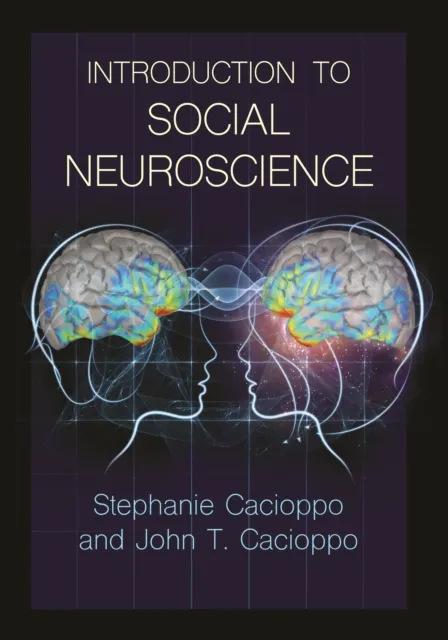
Introduction to Social Neuroscience

A textbook that lays down the foundational principles for understanding social neuroscience
Humans, like many other animals, are a highly social species. But how do our biological systems implement social behaviors, and how do these processes shape the brain and biology? Spanning multiple disciplines, Introduction to Social Neuroscience seeks to engage students and scholars alike in exploring the effects of the brain’s perceived connections with others. This wide-ranging textbook provides a quintessential foundation for comprehending the psychological, neural, hormonal, cellular, and genomic mechanisms underlying such varied social processes as loneliness, empathy, theory-of-mind, trust, and cooperation.
Stephanie and John Cacioppo posit that our brain is our main social organ. They show how the same objective relationship can be perceived as friendly or threatening depending on the mental states of the individuals involved in that relationship. They present exercises and evidence-based findings readers can put into practice to better understand the neural roots of the social brain and the cognitive and health implications of a dysfunctional social brain. This textbook’s distinctive features include the integration of human and animal studies, clinical cases from medicine, multilevel analyses of topics from genes to societies, and a variety of methodologies.
Unveiling new facets to the study of the social brain’s anatomy and function, Introduction to Social Neuroscience widens the scientific lens on human interaction in society.
Key Features
- The first textbook on social neuroscience intended for advanced undergraduates and graduate students
- Chapters address the psychological, neural, hormonal, cellular, and genomic mechanisms underlying the brain’s perceived connections with others
- Materials integrate human and animal studies, clinical cases, multilevel analyses, and multiple disciplines