$58.99
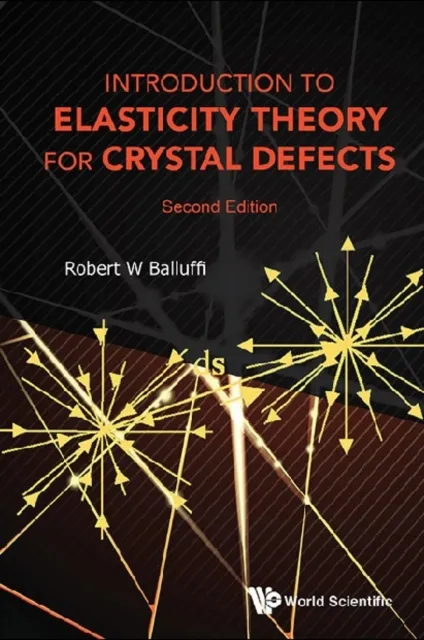
Introduction To Elasticity Theory For Crystal Defects (Second Edition)

Introduction
The book presents a unified and self-sufficient and reader-friendly introduction to the anisotropic elasticity theory necessary to model a wide range of point, line, planar and volume type crystal defects (e.g., vacancies, dislocations, interfaces, inhomogeneities and inclusions).
Elasticity Theory Development
The necessary elasticity theory is first developed along with basic methods for obtaining solutions. This is followed by a detailed treatment of each defect type. Included are analyses of their elastic fields and energies, their interactions with imposed stresses and image stresses, and the interactions that occur between them, all employing the basic methods introduced earlier.
Methodology and Exercises
All results are derived in full with intermediate steps shown, and 'it can be shown' is avoided. A particular effort is made to describe and compare different methods of solving important problems. Numerous exercises (with solutions) are provided to strengthen the reader's understanding and extend the immediate text.
Second Edition Additions
In the 2nd edition an additional chapter has been added which treats the important topic of the self-forces that are experienced by defects that are extended in more than one dimension. A considerable number of exercises have been added which expand the scope of the book and furnish further insights. Numerous sections of the book have been rewritten to provide additional clarity and scope.
Book's Aim
The major aim of the book is to provide, in one place, a unique and complete introduction to the anisotropic theory of elasticity for defects written in a manner suitable for both students and professionals.