$58.99
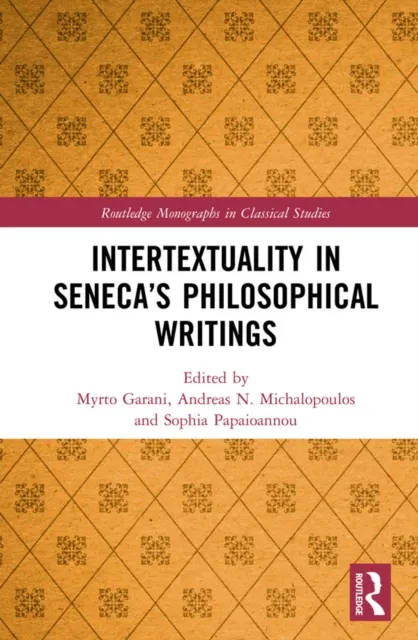
Intertextuality in Seneca's Philosophical Writings

Introduction
This volume is the first systematic study of Seneca’s interaction with earlier literature of a variety of genres and traditions. It examines this interaction and engagement in his prose works, offering interpretative readings that are at once groundbreaking and stimulating to further study.
Focus and Content
Focusing on the Dialogues, the Naturales quaestiones, and the Moral Epistles, the volume includes multi- perspectival studies of Seneca’s interaction with all the great Latin epics (Lucretius, Vergil and Ovid), and discussions of how Seneca’s philosophical thought is informed by Hellenistic doxography, forensic rhetoric and declamation, the Homeric tradition, Euripidean tragedy and Greco-Roman mythology. The studies analyze the philosophy behind Seneca’s incorporating exact quotations from earlier tradition (including his criteria of selectivity) and Seneca’s interaction with ideas, trends and techniques from different sources, in order to elucidate his philosophical ideas and underscore his original contribution to the discussion of established philosophical traditions. They also provide a fresh interpretation of moral issues with particular application to the Roman worldview as fashioned by the mos maiorum. The volume, finally, features detailed discussion of the ways in which Seneca, the author of philosophical prose, puts forward his stance towards poetics and figures himself as a poet.
Relevance
Intertextuality in Seneca’s Philosophical Writings will be of interest not only to those working on Seneca’s philosophical works, but also to anyone working on Latin literature and intertextuality in the ancient world.