$63.99
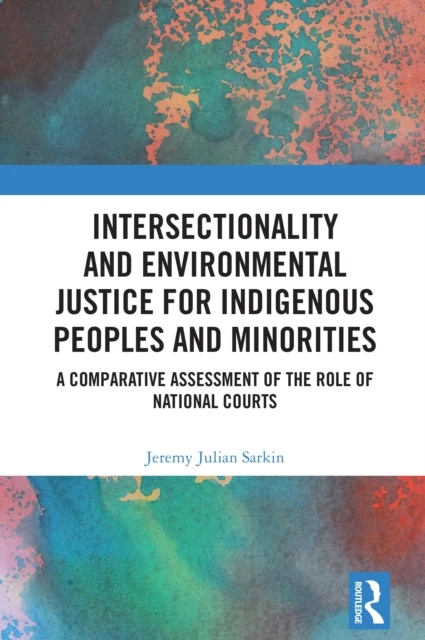
Intersectionality and Environmental Justice for Indigenous Peoples and Minorities
A Comparative Assessment of the Role of National Courts

Overview
This book presents a deeply researched, extensively referenced, innovative, and critical socio-legal analysis of how the concept of intersectionality could be used more effectively by national courts in environmental justice cases, especially concerning minorities and Indigenous Peoples.
Environmental Injustices
A wide range of environmental injustices are being committed against minorities and Indigenous Peoples around the world. In response, this book provides an overview of the problems faced by these groups globally, showing how an intersectional approach offers important benefits.
Case Studies and Comparative Analysis
Examining a range of environmental justice court cases - covering the United States, South Africa, Canada, Australia, and Israel - the book offers a comparative analysis of how intersectionality has been, or could be used, to approach such cases, identifying ways in which these issues can be more effectively addressed.
Value of Intersectionality
In doing so, it demonstrates the value of intersectionality for achieving environmental justice for Indigenous Peoples and minorities. The work integrates knowledge and methods from a range of disciplines, drawing from both the social sciences and the natural sciences.
Interdisciplinary Approach
The benefit of this approach is the creation of intellectual engagement across multiple disciplines, leading to a deeper understanding of the issues.
Target Audience
This book will be essential reading for judges, lawyers, activists, affected groups, researchers, practitioners, students, and others. It will be useful for both research and practice, especially for those interested in how these issues intersect in national courts.