$172.99
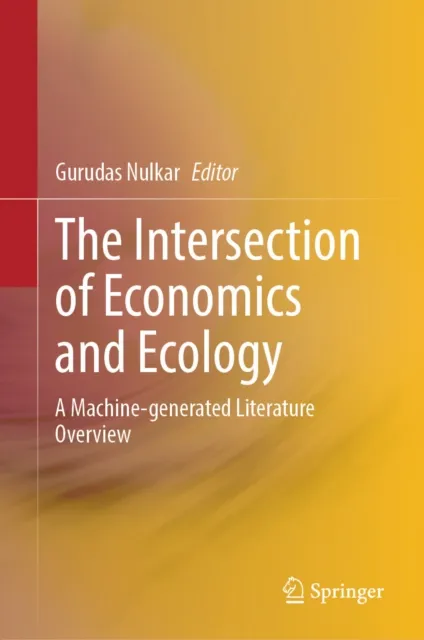
Intersection of Economics and Ecology
A Machine-generated Literature Overview

This book is a machine-generated literature overview highlighting the importance of natural capital while studying the economics of ecology. It puts together available literature on this theme exploring it through the lens of sustainable development. While the main content is machine-generated, each chapter contains curated published content overview and an introduction by the editor, highlighting important areas and literature gaps, describing the connection of the topic with human economy, and examples of negative externalities. The topics seek out research articles that show a connection with mainstream economy, or rural livelihoods.
The connection between natural capital and human economy, is well-known, but many of these negative externalities are complex problems to solve. While there is a growing awareness to capture the value of natural capital in economic decision-making, there is no universal consensus. However, assessing the economic value of naturalresources and ecosystem services, and integrating this information into decision-making processes such as cost-benefit analysis, corporate reporting, and government policy-making, holds a promise of finding long-term solutions to these market failures. By valuing natural capital, decision-makers can better understand the economic benefits and costs of different activities and policies, and make more informed choices that balance economic, social, and environmental objectives.
Containing important introductions by the human editor to plug gaps in literature, the book is a great resource for policy-makers, students of economics and sustainable development, non-governmental organisations working in this field, and corporate managers who are responsible for allotting budgets towards corporate social responsibility programs.