$161.99
Interface between Competition Law and Data Privacy Law
Violation of Privacy as an Exploitative Theory of Harm under Article 102 TFEU

Introduction
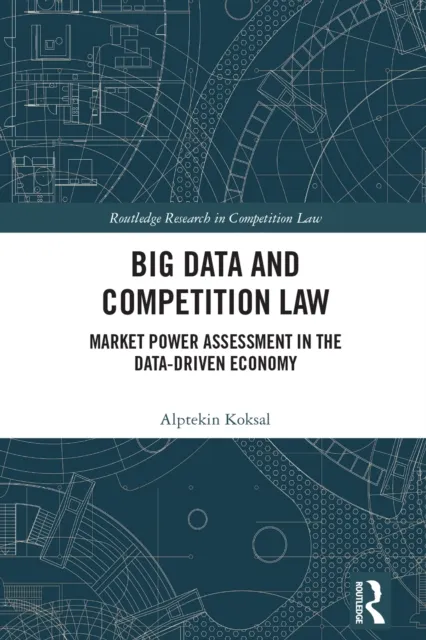
This book assesses the extent to which the current EU competition law framework can incorporate privacy-related theories of harm. Specifically, it evaluates the importance of protecting individual privacy in establishing exploitative abuse of dominance under Article 102 TFEU. The book explores scenarios where Big Tech firms exploit their dominant positions through excessive data collection or limiting consumer choice, thereby harming competition and directly affecting user well-being.
Privacy and Data Collection
It posits that zero-priced business models of online platforms and the ubiquity of data generation create strong incentives to acquire and process consumer data, which can harm digital consumers' privacy. The book assesses how the existing EU competition law framework can address and regulate exploitative abuses, particularly concerning the protection of individuals' privacy.
Legal Framework and Theories of Harm
Importantly, this book argues that competition law might recognize privacy-related harms as forming exploitative theories of harm under Article 102 TFEU. Article 102 TFEU offers flexibility and can be applied to a broader range of unfair practices.
Objectives of Article 102 TFEU
Article 102 TFEU emphasizes enhanced transparency and predictability, aiming to prevent abuses of dominant positions that could undermine healthy competition, to the detriment of consumers and other market participants.
Conclusion
This book provides a comprehensive analysis of how the existing EU competition law framework can address the evolving challenges at the intersection of competition and privacy, ultimately seeking to protect consumer welfare and ensure fair competition in the digital economy.