$105.99
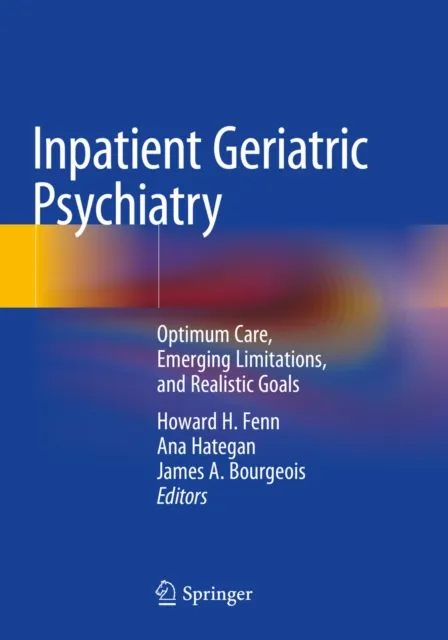
Inpatient Geriatric Psychiatry
Optimum Care, Emerging Limitations, and Realistic Goals

Overview
This book offers mental health guidelines for all medical professionals facing the emerging challenges presented by an aging population worldwide. The text acknowledges that as the geriatric demographic grows, limited resources and infrastructures demand quality protocols to deliver inpatient geriatric psychiatric care, and that many physicians may not be trained to address these specific needs. This text fills this gap with guidelines assessing, diagnosing, and treating aging patients as they present in the emergency room and other settings.
Unique Focus
Unlike any other text, this book focuses on how to optimize the use of the inpatient setting by recommending evaluations and treatments, and offering flow-charts and figures of key points, to guide both general workup and continued evaluation and treatment. This approach aims to minimize instances of premature release or readmissions and to improve outcomes.
Chapter Content
Chapters cover the various issues that clinicians face when working with an older patient, including legal topics, limitations to treatment, prescription-related complications, patients struggling with substance abuse, and various behavioral concerns. Written by experts in the field, the text takes a multidisciplinary approach to deliver high-quality care as needs of the aging population evolve.
Target Audience
Inpatient Geriatric Psychiatry is a vital resource for all clinicians working with an aging population, including geriatricians, psychiatrists, neurologists, primary care providers, hospitalists, psychologists, neuropsychologists, emergency room and geriatric nurses, social workers, and trainees.