£24.29
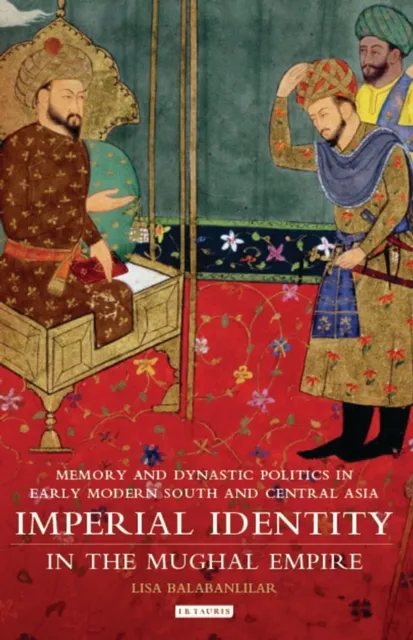
Imperial Identity in the Mughal Empire
Memory and Dynastic Politics in Early Modern South and Central Asia

Historical Background
Having monopolized Central Asian politics and culture for over a century, the Timurid ruling elite was forced from its ancestral homeland in Transoxiana at the turn of the sixteenth century by an invading Uzbek tribal confederation.
The Timurids travelled south: establishing themselves as the new rulers of a region roughly comprising modern Afghanistan, Pakistan and northern India, and founding what would become the Mughal Empire (1526-1857).
The Mughal Dynasty and Its Legacy
The last survivors of the House of Timur, the Mughals drew invaluable political capital from their lineage, which was recognized for its charismatic genealogy and court culture - the features of which are examined here.
By identifying Mughal loyalty to Turco-Mongol institutions and traditions, Lisa Balabanlilar here positions the Mughal dynasty at the centre of the early modern Islamic world as the direct successors of a powerful political and religious tradition.