£83.99
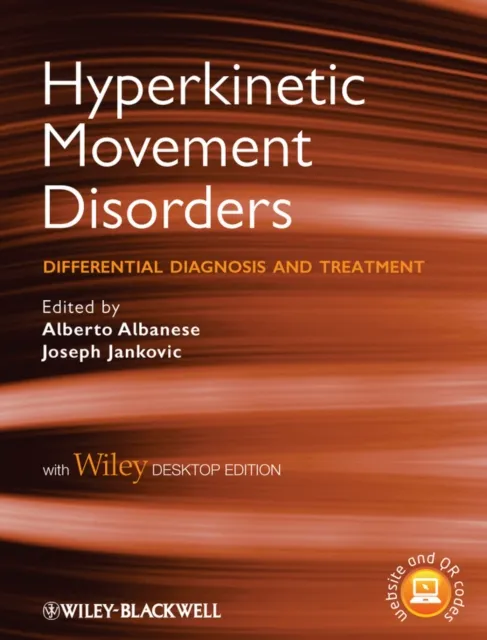
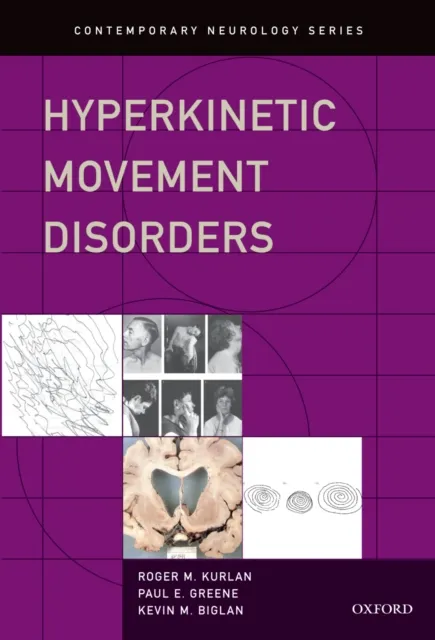
Hyperkinetic Movement Disorders

Hyperkinetic Movement Disorders
The latest edition to the Contemporary Neurology Series, will cover the signs, the pathophysiology, the genetics (where applicable), and the treatment options of each form of hyperkinetic movement disorder. There is a presentation of clinically-focused information regarding the full spectrum of neurological and psychiatric conditions characterized by involuntary movements.
With Parkinson's disease as the most common hypokinetic movement disorder, the book expands on other hyperkinetic movement disorders where substantial progress has been made in the understanding of the role of the basal ganglia in the pathophysiology of these hyperkinesia disorders and in motor control, muscle tone, posture, and cognitive processes.
Although therapies that target pathogenesis are still lacking, effective management of hyperkinetic movement disorders demands that physicians are knowledgeable about current and novel pharmacological and surgical approaches.
Following background information about how to approach hyperkinetic movement disorders and the neural circuitry underlying them, there are individual chapters that cover tremor, dystonia, Huntington's disease (and other choreas, athetosis, ballism), Tourette's syndrome (and other tic disorders), habits, mannerisms, compulsions, stereotypies, myoclonus, drug-induced disorders, Wilson's disease, hyperkinetic movement disorders with a peripheral trigger and those of unclear origin, and psychogenic movement disorders.
Chapters include sections on clinical phenomenology, etiology and pathogenesis and therapy. There are also online resources for clinicians and patients to refer to as well.
The experienced authors have specifically selected scientific and other published information that best helps clinicians understand, diagnose and optimally treat hyperkinetic movement disorders. The authors' approach is comprehensive yet focused and practical with an emphasis on clinical care.