$16.99
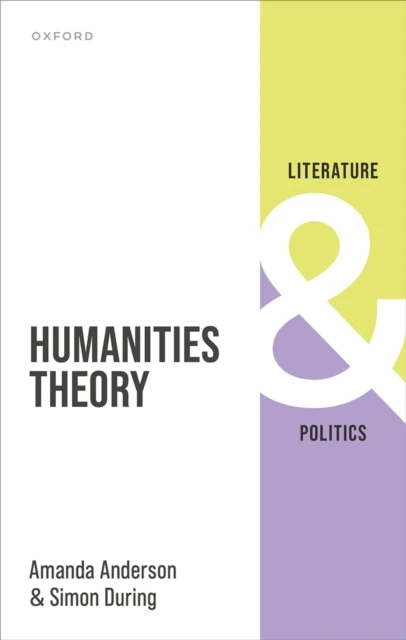
Humanities Theory

Humanities Theory
pioneers a new topic: the theory of the humanities. It is an urgent topic right now because the humanities face a suite of forceful new challenges and are in a period of significant change. For these reasons, it has become important to analyse and understand what the humanities are as a whole, beyond disciplinary divisions and yet without resorting to simplistic notions of their worth. Remarkably little attention has been paid to this topic. Most discussions of the humanities have been polemical if not defensive.
This book argues that there exists a global humanities world which not only transcends disciplinary divisions but joins the professional academic humanities to a thriving amateur public humanities. This world has no essence, it is plural. Nevertheless, powerful, if contested, ethical orientations run through it and help shape it, including a will to truthfulness, a will to openness and generosity, a will to examine values.
In their essays Simon During and Amanda Anderson each bring different emphases to their shared orientation towards a large plural humanities world:
During
analyses how key disciplines--sociology, philosophy and history--might be used to think about the humanities as a whole and, on this basis, offers some predictions of the future awaiting the humanities.
Anderson
analyzes media representations of the humanities and considers the general conceptual frameworks through which the humanities focus on value and proffer critique. She analyses a series of examples of contemporary critical engagements in the humanities to press a case for value pluralism in the humanities and the university more broadly.