$148.99
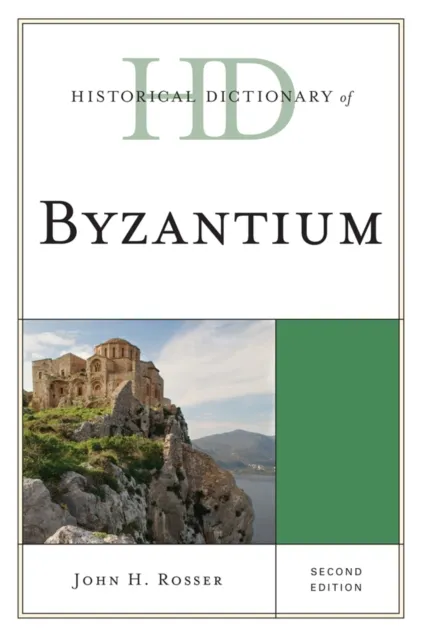
Historical Dictionary of Byzantium

Historical Background
The Byzantine Empire dates back to Constantine the Great, the first Christian ruler of the Roman Empire, who, in 330 AD, moved the imperial capital from Rome to a port city in modern-day Turkey, which he then renamed Constantinople in his honor. From its founding, the Byzantine Empire was a major anchor of east-west trade, and culture, art, architecture, and the economy all prospered in the newly Christian empire. As Byzantium moved into the middle and late period, Greek became the official language of both church and state and the Empire’s cultural and religious influence extended well beyond its boundaries. In the mid-15th century, the Ottoman Turks put an end to 1,100 years of Byzantine history by capturing Constantinople, but the Empire’s legacy in art, culture, and religion endured long after its fall.
Book Description
In this revised and updated second edition of the Historical Dictionary of Byzantium, author John H. Rosser introduces both the general reader and the researcher to the history of the Byzantine Empire. This comprehensive dictionary includes detailed, alphabetical entries on key figures, ideas, places, and themes related to Byzantine art, history, and religion, and the second edition contains numerous additional entries on broad topics such as transportation and gender, which were less prominent in the previous edition. An expanded introduction introduces the reader to Byzantium and a guide to further sources and suggested readings can be found in the extensive bibliography that follows the entries. A basic chronology and various maps and illustrations are also included in the dictionary. This book is an excellent access point for students, researchers, and anyone wanting to know more about Byzantium.