$59.99
Hidden Cost of Immigration
Black Labor Market Displacement and Urban Crime

Introduction
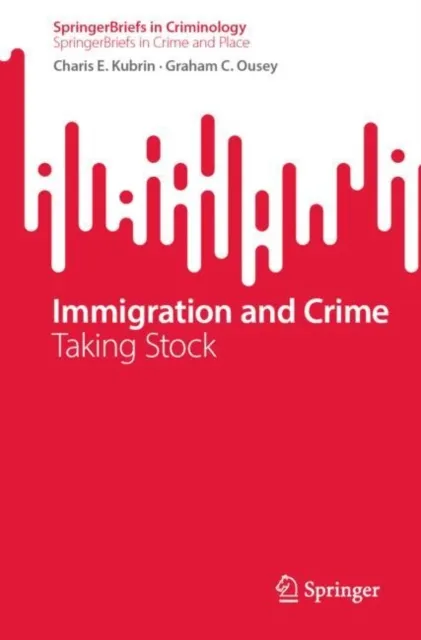
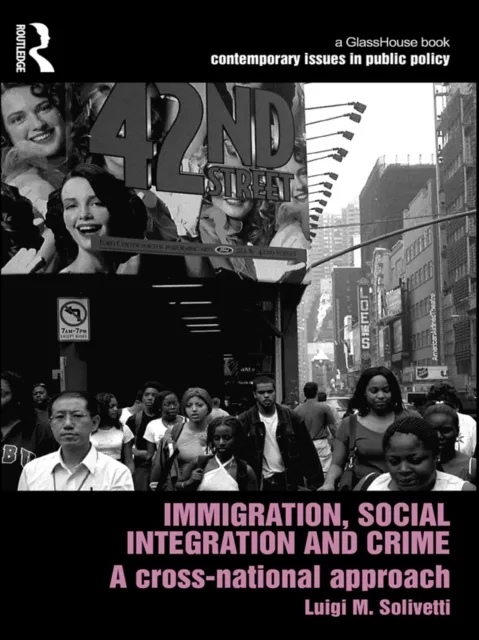
This brief reconceptualizes the immigration–crime relationship by examining how immigration reshapes low-skill labor markets in ways that may disproportionately disadvantage economically marginalized Black workers.
Challenging Prevailing Views
Challenging the prevailing consensus that immigration either reduces crime or has no effect, it shifts attention away from immigrant offending and toward the structural conditions under which immigration may indirectly elevate crime among Black populations.
Social Consequences of Immigration
Rather than treating immigration as uniformly beneficial or criminogenic, the brief argues that its social consequences are unevenly distributed across racial and economic groups.
Research Findings
Results from longitudinal analyses of city-level data drawn from the National Incident-Based Reporting System (NIBRS) and the U.S. Census show that higher levels of immigration are associated with increased weekday and weeknight/weekend crime levels among Black but not White offenders. These findings suggest that competition within low-skill labor markets may weaken legitimate employment opportunities for some economically vulnerable Black workers, thereby increasing exposure to criminogenic pressures.
Theoretical Framework
Integrating perspectives on labor market segmentation, strain, routine activity, and race-specific opportunity, the brief develops a theoretical framework linking immigration, racial inequality, and urban crime.
Conclusion
By reframing the immigration–crime debate through the lens of economic displacement and racial inequality, this work offers a provocative, policy-relevant account of how immigration and racial justice agendas intersect in contemporary urban America.