$668.99
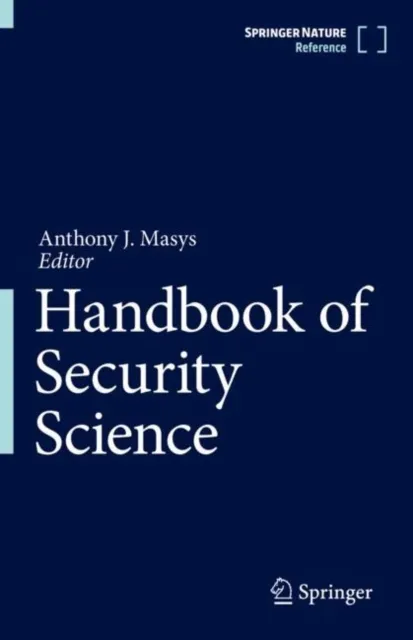
Handbook of Security Science

Overview
This handbook offers insights into how science (physical, natural and social) and technology can support new developments to manage the complexity resident within the threat and risk landscape.
The Security Landscape
The security landscape can be described as dynamic and complex stemming from the emerging threats and risks that are both persistent and transborder. Globalization, climate change, terrorism, transnational crime can have significant societal impact and forces one to re-evaluate what ‘national security’ means. Recent global events such as mass migration, terrorist acts, pandemics and cyber threats highlight the inherent vulnerabilities in our current security posture.
Security Science and Trends
As an interdisciplinary body of work, the Handbook of Security Science captures concepts, theories and security science applications, thereby providing a survey of current and emerging trends in security. Through an evidence-based approach, the collection of chapters in the book delivers insightful and comprehensive articulation of the problem and solution space associated with the complex security landscape.
Tools and Methodologies
In so doing the Handbook of Security Science introduces scientific tools and methodologies to inform security management, risk and resilience decision support systems; insights supporting design of security solutions; approaches to threat, risk and vulnerability analysis; articulation of advanced cyber security solutions; and current developments with respect to integrated computational and analytical solutions that increase our understanding of security physical, social, economic, and technological interrelationships and problem space.