$261.99
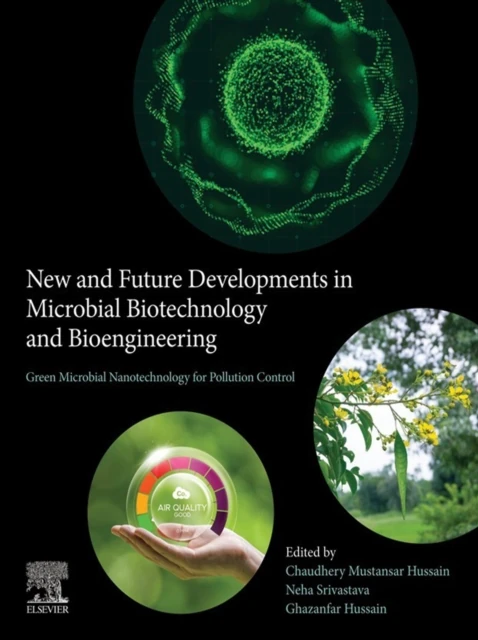
Green Microbial Nanotechnology for Pollution Control
New and Future Developments in Microbial Biotechnology and Bioengineering

Green Microbial Nanotechnology for Pollution Control: New and Future Developments in Microbial Biotechnology and Bioengineering
explores the applications of microbial nanotechnology in addressing environmental challenges. The book presents a comprehensive exploration on how innovative, eco-friendly solutions derived from microbial processes can significantly mitigate pollution. With a focus on sustainability, it features cutting-edge research and practical methodologies aimed at transforming pollution control strategies.
Sections cover the fundamentals, including essential topics such as nanoparticle synthesis, characterization techniques, and bioremediation strategies. Subsequent sections discuss air quality management, advanced water treatment solutions, and explore case studies that illustrate the efficacy of microbial nanotechnological solutions in combating pollution. The concluding chapters discuss regulatory considerations and future directions, setting the stage for ongoing innovation in the field.
This book is a vital reference for professionals across various disciplines, including environmental science, biotechnology, public policy, and chemical engineering. By emphasizing sustainable practices and providing cost-effective alternatives to traditional pollution control methods, it equips its audience with the knowledge and tools necessary to foster a cleaner, healthier planet.
Key Focus Areas
Focuses on eco-friendly approaches to pollution control to reduce environmental impact and promote sustainable practices
Presents cutting-edge research and innovative methods for using microbial nanotechnology to detect, degrade, and remove pollutants from various environments
Provides non-hazardous, cost-effective, and efficient alternatives to traditional pollution control methods