$199.99
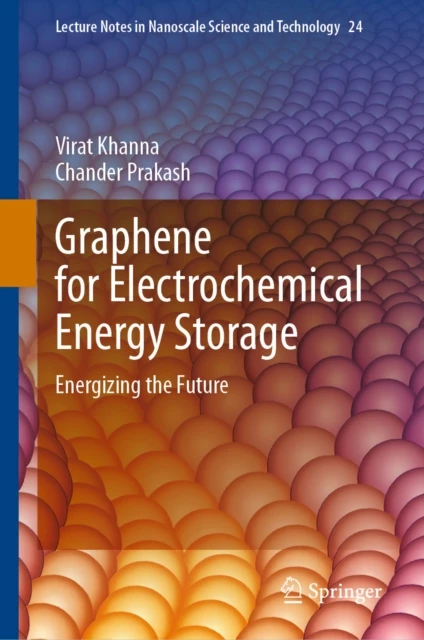
Graphene for Electrochemical Energy Storage
Energizing the Future

Overview
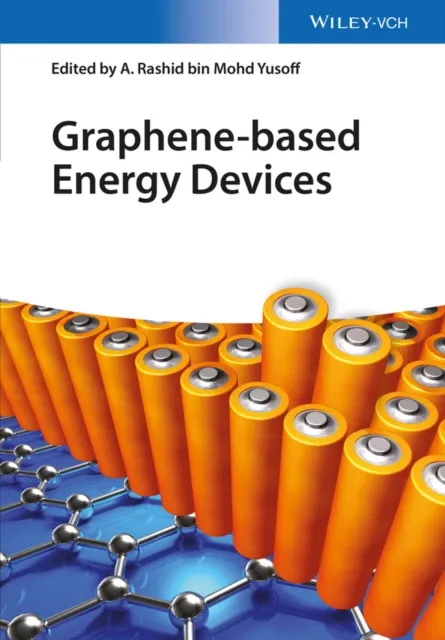
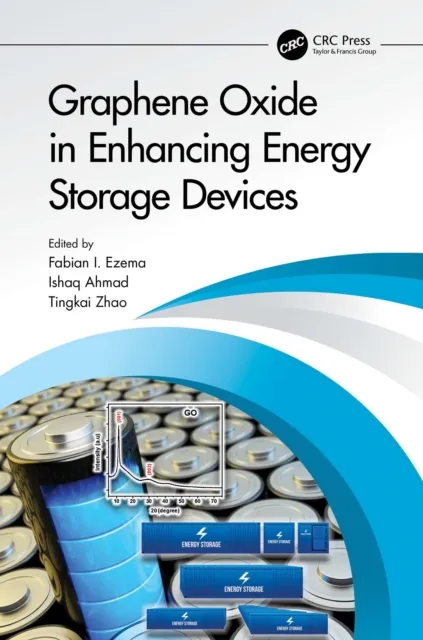
This book is a comprehensive overview of the latest developments in the field of graphene-based electrochemical energy storage devices. Graphene is considered one of the most promising materials for developing high-performance electrochemical energy storage devices due to its large surface area, high electrical conductivity, and superior mechanical strength. This book highlights its fundamental properties, synthesis methods, and various electrochemical energy storage applications such as in supercapacitors, batteries, and fuel cells.
Chapter 1: Properties and Synthesis of Graphene
The first chapter introduces the electronic, mechanical, and thermal properties of graphene and discusses various synthesis methods such as mechanical exfoliation, chemical vapor deposition, and epitaxial growth. Additionally, it describes the functionalization of graphene to enhance its characteristics for electrochemical energy storage applications.
Chapter 2: Graphene in Supercapacitors
The second chapter focuses on the application of graphene in supercapacitors, energy storage devices that require high power density. It details different types of supercapacitors such as electrochemical capacitors, pseudo capacitors, and hybrid capacitors and discusses how graphene can enhance their performance.
Chapter 3: Graphene in Batteries
The third chapter covers the use of graphene in batteries, describing how graphene-based anodes and cathodes improve energy density, cycling stability, and rate capability across various battery types including lithium-ion, sodium-ion, and zinc-ion batteries.
Chapter 4: Graphene in Fuel Cells
The final chapter is dedicated to the use of graphene in fuel cells, electrochemical devices that transform chemical energy into electrical power. It describes how graphene-based materials can be utilized as catalysts or supports within fuel cells for improved performance and durability. Various types of fuel cells such as proton exchange membrane fuel cells, direct methanol fuel cells, and solid oxide fuel cells are examined.
Conclusion
The book concludes by highlighting the future prospects and challenges in graphene-based electrochemical energy storage applications. Written in a succinct and clear manner, this book serves as a modern reference on the topic and is a valuable resource for researchers, scientists, and engineers working in the area of energy storage.