$147.99
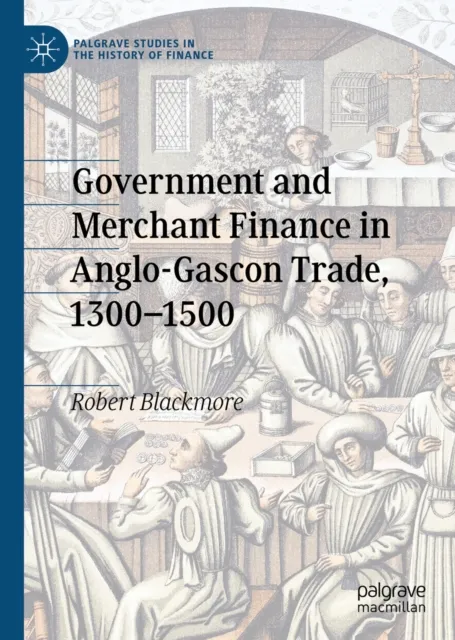
Government and Merchant Finance in Anglo-Gascon Trade, 1300-1500

The Late Middle Ages and Economic Development
The Late Middle Ages (c.1300–c.1500) saw the development of many of the key economic institutions of the modern unitary nation-state in Europe. After the ‘commercial revolution’ of the thirteenth century, taxes on trade became increasingly significant contributors to government finances, and as such there were ever greater efforts to control the flow of goods and money.
Focus of the Book
This book presents a case study of the commercial and financial links between the kingdom of England and the duchy of Aquitaine across the late-medieval period, with a special emphasis on the role of the English Plantagenet government that had ruled both in a political union since 1154. It establishes a strong connection between fluctuations in commodity markets, large monetary flows and unstable financial markets, most notably in trade credit and equity partnerships.
Economic Deterioration and Crises
It shows how the economic relationship deteriorated under the many exogenous shocks of the period, the wars, plagues and famines, as well as politically motivated regulatory intervention. Despite frequent efforts to innovate in response, both merchants and governments experienced a series of protracted financial crises that presaged the break-up of the union of kingdom and duchy in 1453, with the latter’s conquest by the French crown. Of particular interest to scholars of the late-medieval European economy, this book will also appeal to those researching wider economic or financial history.