$63.99
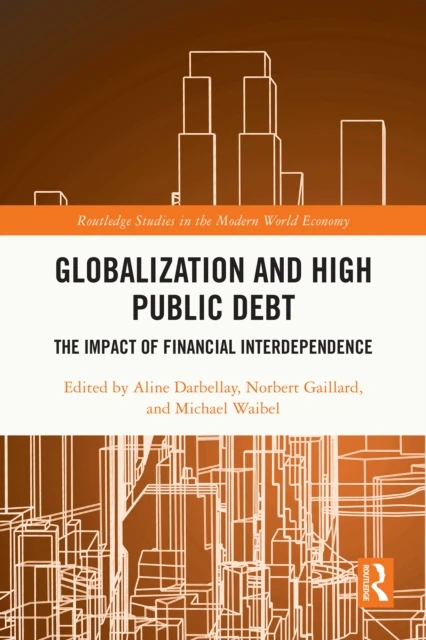
Globalization and High Public Debt
The Impact of Financial Interdependence

Globalization and Its Impact
Globalization has deeply transformed the world economy: rule of law gained ground, especially in Eastern Europe and Latin America, poverty fell significantly, particularly in Asia, and capitalism triumphed, sometimes with massive state intervention. In the meantime, financial interdependence grew dramatically.
The Main Argument of the Book
The core argument of this book is that the high degree of financial interdependence forged during the golden age of globalization from 1991-2016 is now the main impediment to the reduction of the elevated public debts observed in many countries. Therefore, it investigates how the world economy may be deleveraged and how interdependence may be reduced or, wherever possible, made compatible with a deleveraging process.
Challenges of High Public Debt
Readers of this book will gain a comprehensive understanding of the multifaceted challenges stemming from high public debt burdens. Drawing on insights from economics, law, and political science, it argues that public debts may be reaching unsustainable levels in advanced as well as developing and emerging countries. This evolution is exacerbated by various forms of interdependence in which governments have been entangled since the globalization years.
Key Issues Addressed
The book offers an overview of key issues, such as the interconnectedness between governments and too-big-to-fail financial institutions; the way financial crises lead to massive bailouts and significant increases in public debts; the debt sustainability problems posed by higher interest rates, geopolitical tensions, and climate change and the lack of coordination between the IMF and the Paris Club, on the one hand, and China, on the other hand, during the debt restructuring processes of developing countries.
Target Audience
Owing to its multidisciplinary approach, the book will attract the interest of scholars and students from wide ranging fields, including political scientists, economists, and lawyers.