$99.99
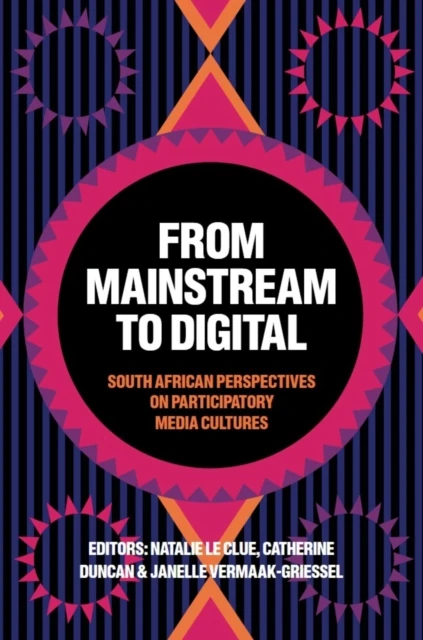
From Mainstream to Digital
South African Perspectives on Participatory Media Cultures

From Mainstream to Digital
explores the complex landscape of digital participation in a country where both digital and traditional media interact in shaping public life. As digital platforms have become ubiquitous, they no longer exist solely as alternatives to mainstream media, reshaping how identity, politics, and culture are expressed and contested. This collection acknowledges the expanding influence of digital platforms in South Africa. While digital spaces offer the potential for greater inclusivity and grassroots participation, they also replicate the economic and structural inequalities such as data control, algorithmic biases, and the commodification of self-expression.
Chapters
explore how South African users leverage these platforms to reclaim agency, subvert dominant narratives, and build socio-economic value, while also navigating the competing pressures of self-representation and commercialisation. From the challenge of beauty standards on Instagram to townships businesses harnessing social media to reconfigure local economies, the studies highlight the creative and transformative ways digital media is being used for self-definition and resistance. They critically examine the limitations imposed by factors like power and historical injustice, which continue to shape access, visibility, and participation in these spaces.
Context and Perspectives
Grounding the exploration in the South African context, authors amplify local voices and perspectives, offering new insights into how digital media is negotiated, adapted, and repurposed within specific cultural and socio-political environments. It invites scholars, students, and practitioners to rethink participation not as a universal experience, but as a negotiation shaped by context, culture, and community.