$63.99
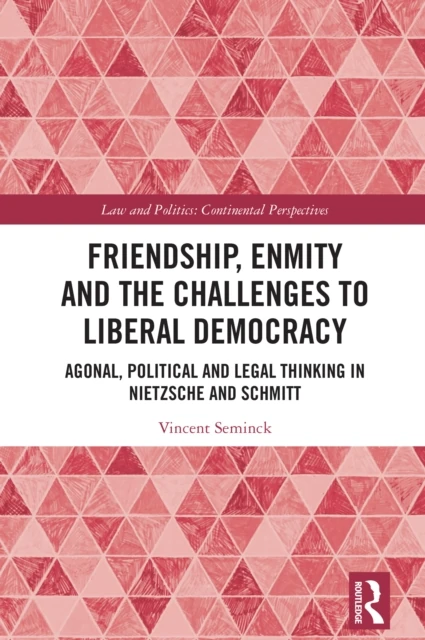
Friendship, Enmity and the Challenges to Liberal Democracy
Agonal, Political and Legal Thinking in Nietzsche and Schmitt

Introduction
This book describes, evaluates and compares the ideas of conflict, friendship and enmity in the thought of Friedrich Nietzsche and Carl Schmitt.
Learning from Nietzsche and Schmitt
What can we learn from Nietzsche's and Schmitt's ideas of friendship and enmity in the light of the dangerous challenges facing Western democracies today?
Influence of Nietzsche and Schmitt
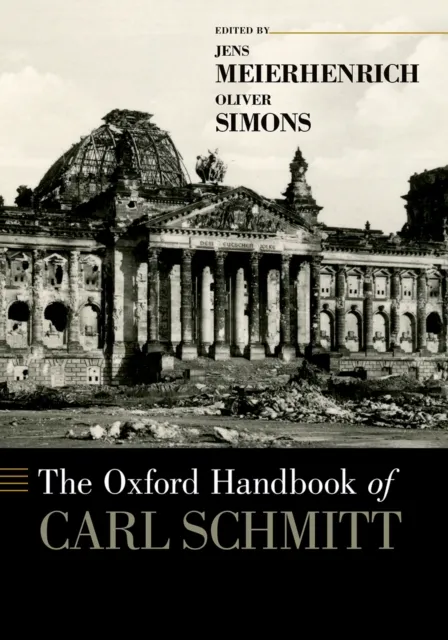
Nietzsche and Schmitt are undoubtedly among the most influential Continental thinkers of the nineteenth and twentieth centuries, and their influence extends far beyond their own time. Schmitt's thinking has been particularly influential in the field of constitutional law and jurisprudence, and it still resounds today in debates about popular sovereignty and the rule of law.
Analysis of Political Thinking
This book analyses the ambiguous character of both Nietzsche's agonal and Schmitt's political thinking, in order to consider its implications for current debates about law and politics, and to strengthen liberal democracy.
Transforming Political Conflict
Ultimately, the book thinks with Nietzsche against Schmitt to transform political into agonal conflict, friendship and enmity. This can be achieved, it argues, by channelling hostile passions, through the cultivation of mutual respect between legitimate opponents, into the legal and social discourses, practices and institutions of a liberal democratic rule-of-law state.
Intended Audience
This book will appeal to scholars working in the areas of legal and political theory, as well as those with relevant interests in continental philosophy.