$102.99
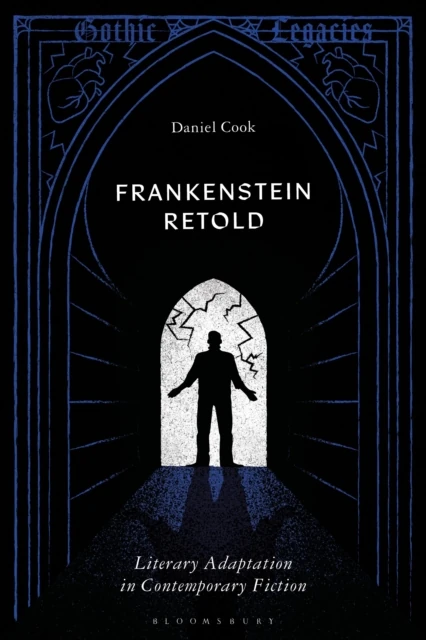
Frankenstein Retold
Literary Adaptation in Contemporary Fiction

Placing Frankenstein in the critical frameworks of book history and secondary authorship
This book explores the increasing array of book-based reworkings of, and sequels to, the novel that up to this point, have been largely ignored. Covering novels, novellas and short stories across a range of genres from romance to YA fiction, Frankenstein Retold examines a broad range of these texts in different purviews and demonstrates their own critical value as well and pertinence for understanding new approaches to literary adaptation in theory and practice more broadly.
Organised thematically
The book cover topics including: filial characterisation; continuations and sequels explicitly tied to Shelley's narrative; epistolary, journal-based, found-text and other storytelling forms; coquels set against the original material; fiction in which Shelley's materials have been transplanted to entirely new settings, periods or genres; cameos; and the ghostly presence of the original author.
A testament to the vitality of the original story
More than two centuries after it first appeared, Daniel Cook explores works from a huge range of writers such as Peter Ackroyd, Jeanette Winterson, Ahmed Saadawi, Suzanne Weyne, Jon Skovron, William A. Chandler, Susan Heyboer Okeefe, Hailey Bailey, Laurie Sheck, Edward M. Erdelac, Fred Saberhagen and Kate Horsley among many others.
With a large body of scholarship
Already exploring the rich cinematic, transmedial and cultural afterlife of Shelley's novel, Frankenstein Retold offers a bridge between literary studies notions of book history and authorship, and media studies approaches to transmedia storytelling, between fan writing and media production histories.


