$73.99
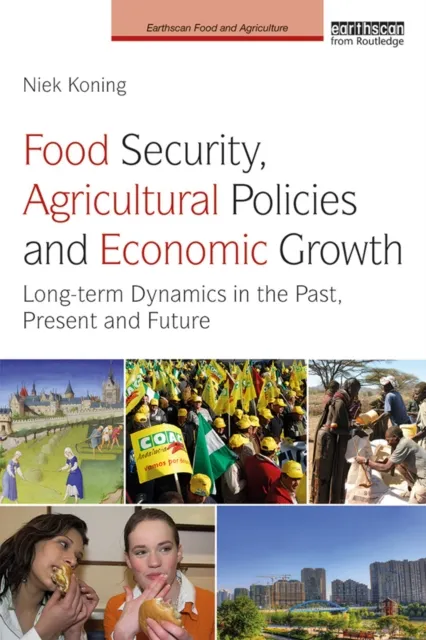
Food Security, Agricultural Policies and Economic Growth
Long-term Dynamics in the Past, Present and Future

Overview
Using a political-economic approach supplemented with insights from human ecology, this volume analyzes the long-term dynamics of food security and economic growth. The book begins by discussing the nature of preindustrial food crises and the changes that have occurred since the 19th century with the ascent of technical science and the fossil fuel revolution. It explains how these changes improved living standards but that the realization of this improvement was usually dependent on government support for smallholder modernization.
Regional Influences and Policy
The author sets out how the evolution of food security in different regions has been influenced by farm policy choices and how these choices were shaped by local societal characteristics, international relations and changing configurations in metropolitan countries. Separate chapters are devoted to the interaction of this evolution with debates on food security and economic growth and with international economic policies.
Future Challenges
The final chapters highlight the new challenges for global food security that will arise as traditional sources of biomass production and the more easily extractable reserves of fossil biomass become depleted or can no longer be used. Overall, the book emphasizes the inadequacy of current explanations with regard to these challenges. It explores what is needed to ensure a sustainable future and calls for a rethinking of these issues; a necessary reflection in today’s unstable global political situation.