$203.99
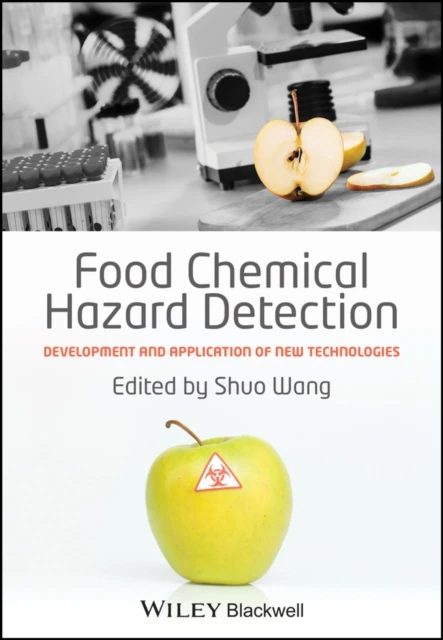
Food Chemical Hazard Detection
Development and Application of New Technologies

Food chemical safety remains a serious concern to the food industry.
Risks such as adulteration, the existence
of toxic and allergenic compounds in foods, and poor regulation of postharvest processing indicate that food chemical safety is not fully guaranteed. With the increasing trend of globalization in the import and export of food products, the importance of employing accurate and reliable analytical instruments to rapidly detect chemical hazards in foods has become paramount. In recent years, many new applications for using a range of analytical methods to detect food chemical hazards have emerged. Food Chemical Hazard Detection: Development and Application of New Technologies aims to cover the major developments and applications in this field.
Scope and Contributors
With a far-reaching scope, this book includes sections dedicated to chromatography tandem mass spectrometry, immunoassay, biophotonics, nanotechnology, biosensors and microfluidic based “lab-on-a-chip”. A team of expert authors from major academic institutions in the USA, Canada and China bring a wealth of research experiences to bear in this major new work, which will be required reading for anyone interested in food chemical hazards and their effective detection and intervention strategies.
Intended Audience
Food Chemical Hazard Detection: Development and Application of New Technologies is aimed at a diverse audience, including food safety testing laboratories, scientists and managers in the global food supply chain, academic institutions, governmental regulatory agencies and food safety training providers. Readers will receive not only the fundamentals about different detection techniques, but will also gain insights into the current and future applications of each technique.