$37.99
Film and Identity in Kazakhstan
Soviet and Post-Soviet Culture in Central Asia

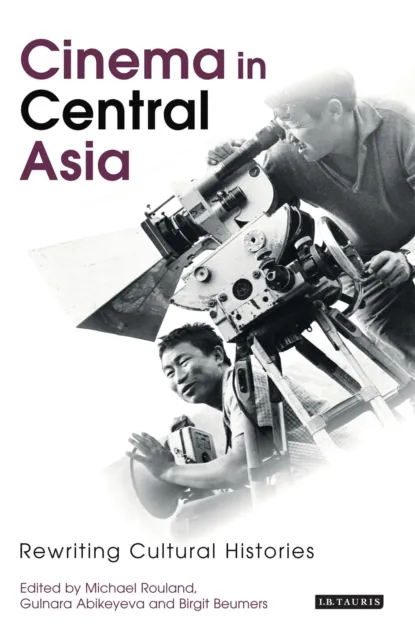
Cinema and nationalism are two fundamentally modern phenomena, but how have films shaped our understanding of the creation -the imagining - of Central-Asian nations?
Here, Rico Isaacs uses cinema as an analytical lens to explore how the Kazakh national identity has been constructed and contested. Drawing on an analysis of Kazakh films from the last century, and featuring new interviews with directors and critics involved in the Central Asian film industry, his book traces the construction of nationalism within Kazakh cinema from the country's inception as a Soviet Republic to a modern independent nation.
Isaacs identifies four narratives since the collapse of the Soviet Union: a warrior-like ethnic narrative rooted in the 18th Century struggles against the Mongolian Oirat tribes; a civic inspired narrative cemented in the Stalinist deportations of the 1930s and 40s; a religious narrative founded within the mystic and philosophical religion of Tengrism and the cult of the Sky God; and a socio-economic narrative which roots Kazakh nationhood and identity in contemporary social divisions, the lived day-to-day experiences of ordinary citizens and the struggles they face with authority.
These last two tropes demonstrate how cinema has emerged as a site of dissent against the country's authoritarian regime under President Nazarbayev. Film and Identity in Kazakhstan advances our understanding of Kazakhstan and nationalism by demonstrating the multiple and inessential character of each, and illustrates the important role of cinema in contesting political power in the post-Soviet space.