$63.99
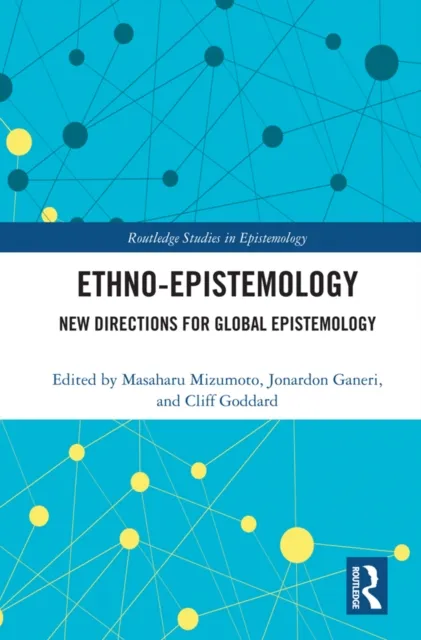
Ethno-Epistemology
New Directions for Global Epistemology

Introduction
This volume features new perspectives on the implications of cross-linguistic and cultural diversity for epistemology. It brings together philosophers, linguists, and scholars working on knowledge traditions to advance work in epistemology that moves beyond the Anglophone sphere.
Cross-Linguistic and Cultural Diversity in Epistemology
The first group of chapters provide evidence of cross-linguistic or cultural diversity relevant to epistemology and discuss its possible implications. These essays defend epistemic pluralism based on Sanskrit data as a commitment to pluralism about epistemic stances, analyze the use of two Japanese knowledge verbs in relation to knowledge how, explore the Confucian notion of justification, and surveys cultural differences about the testimonial knowledge. The second group of chapters defends "core monism"—which claims that despite the cross-linguistic diversity of knowledge verbs, there is certain core epistemological meaning shared by all languages—from both a Natural Semantic Metalanguage (NSM) and skeptical perspective. The third cluster of essays considers the implications of cultural diversity for epistemology based on anthropological studies. These chapters explore real disparities in folk epistemology across cultures. Finally, the last two chapters discuss methods or perspectives to unify epistemology despite and based on the diversity of folk intuitions and epistemological concepts.
Ethno-Epistemology
Ethno-Epistemology is an essential resource for philosophers working in epistemology and comparative philosophy, as well as linguists and cultural anthropologists interested in the cultural-linguistic diversity of knowledge traditions.