$85.99
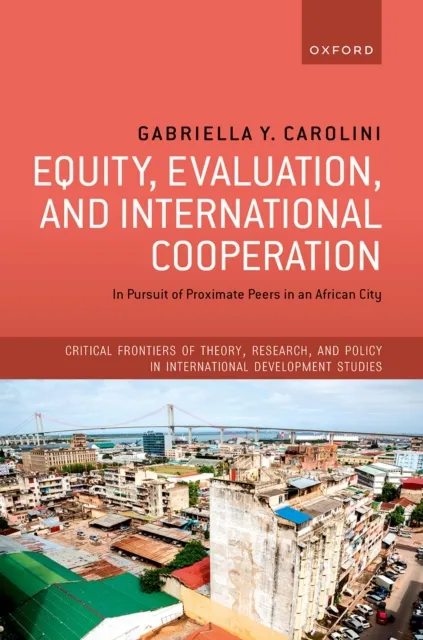
Equity, Evaluation, and International Cooperation
In Pursuit of Proximate Peers in an African City

Is South-South Cooperation (SSC) any different from other international partnerships in practice?
While straightforward, this question often gets lost in conventional scholarship on SSC and international cooperation, which privileges macro-level narratives of how cooperation mechanisms fit within geopolitical concerns and shape the outcomes of foreign aid.
Equity, Evaluation, and International Cooperation instead offers an answer from the ground up. It highlights two main lessons from the close examination of the ecosystem of international cooperation projects in the urban water-and-sanitation sector in Maputo, Mozambique.
Key lessons from the book
First, the book shows that macro labels attributed to international cooperation reflect very little about how cooperation projects operate on the ground and the equity consequences of their work.
Second, how projects are designed, implemented, and evaluated does matter to the quality of learning that emanates from partnerships.
Beyond the geopolitical and technical proximities favored by the SSC discourse, this book argues that what matters in practice is whether hierarchy or heterarchy is institutionalized in the governance of cooperation projects; whether project partners are locally embedded in shared work spaces; and whether practitioners value flexibility and recognize the epistemic value of learning from all partners as peers.
A strong evaluation culture within the international development industry, however, still subjugates such equity-based concerns and deep learning in projects to accountability, reinforcing orthodox power asymmetries in cooperation and sustaining epistemic and distributive injustice.
This book instead provides a framework for how project evaluations, as a key narrative instrument of development, can instead promote distributive, procedural, and epistemic justice in international cooperation projects.