$43.99
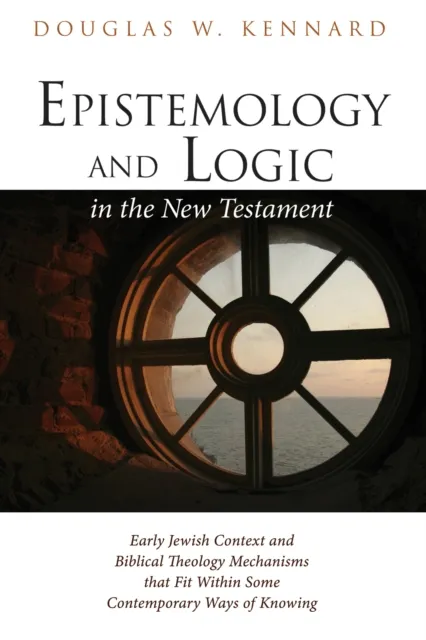
Epistemology and Logic in the New Testament
Early Jewish Context and Biblical Theology Mechanisms that Fit Within Some Contemporary Ways of Knowing

Introduction to Biblical Contributors and Worldview
Biblical contributors express an oral stage engaging Christianity within a properly basic communal worldview similar to Alvin Plantinga advocates. This approach includes a communal Christian application of common sense realism within a worldview and rhetoric similar to Hillite Pharisaism.
Use of Rabbinic Language and Thought Forms
Each biblical contributor provided vivid testimony using rabbinic language and thought forms. For example, Jewish-Christian midrash re-appropriates Old Testament quotes and narrative in a new performative pesher manner to present Jesus as the Christ.
Beyond Word Studies: Mystical Empiricism
Moving beyond the word studies of biblical epistemologists, Pharisaic-rabbinic Judaism use of biblical revelation, mystical vision, dream, or audible divine voice frame mystical empiricism similar to William Alston.
Communal Resilient Oral Tradition
Non-foundational realism facilitates a communal resilient oral tradition similar to the rabbinics. Additionally, Luke-Acts extensively engages Hellenistic historiographic method and the concept of "witness".
Epistemic Dualism and Authority of Testimony
When multiple interpretations occur concerning miracles, epistemic dualistic non-foundational Lockean epistemology emerges to contribute to the authority of communal kingdom testimony. Occasionally, this Lockean approach adds an internal transformation much as Jonathan Edwards modified Locke to set forth his religious affections as a divine virtue epistemology confirming the authentic narrow way through Peircean pragmatism.
Internal Knowledge and Divine Virtue Epistemology
This internal knowledge provides self-referential confirmation for a personal relationship and filial knowledge. Each of these expressions of knowledge fosters an ultimate Kierkegaardian commitment to the Trinitarian Christian God.