$405.99
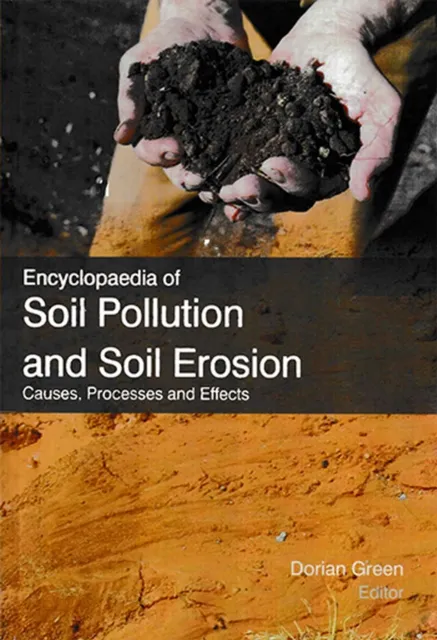
Encyclopaedia of Soil Pollution and Soil Erosion Causes, Processes and Effects (Elements Of Soil Conservation)

Soil Pollution Definition
Soil pollution is defined as the build-up in soils of persistent toxic compounds, chemicals, salts, radioactive materials, or disease causing agents, which have adverse effects on plant growth and animal health.
Soil Composition
Soil is the thin layer of organic and inorganic materials that covers the Earth's rocky surface. The organic portion, which is derived from the decayed remains of plants and animals, is concentrated in the dark uppermost topsoil. The inorganic portion, made up of rock fragments, was formed over thousands of years by physical and chemical weathering of bedrock.
Importance of Productive Soils
Productive soils are necessary for agriculture to supply the world with sufficient food.
Soil Erosion
Soil erosion implies that the soil runs off with the force of water, and erosion can be caused by the removal of material, movement of rock particles, etc. Major effects are caused by wind, rainfall, etc., as they move away the loosened soil.
Causes of Soil Pollution
Soil pollution is caused by the presence of man-made chemicals or other alterations in the natural soil environment. This type of contamination typically arises from the rupture of underground storage links, application of pesticides, percolation of contaminated surface water to subsurface strata, oil and fuel dumping, leaching of wastes from landfills, or direct discharge of industrial wastes to the soil.
Common Chemicals Involved
The most common chemicals involved are petroleum hydrocarbons, solvents, pesticides, lead, and other heavy metals.
Correlation with Industrialization
This occurrence of soil pollution is correlated with the degree of industrialization and the intensity of chemical usage.
Target Audience
This book will prove to be an essential guide to students and researchers of geography, agriculture, biotechnology, and allied disciplines.