$199.99
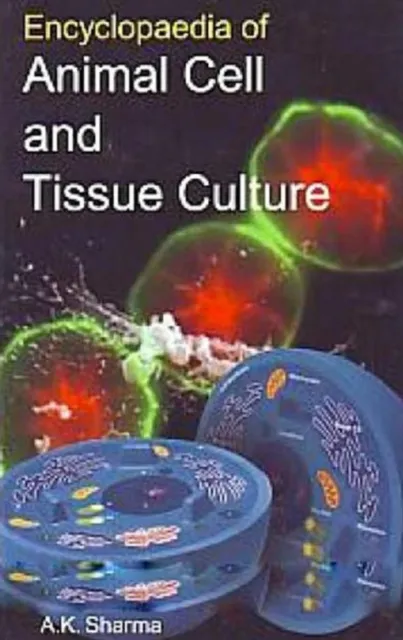
Encyclopaedia Of Animal Cell And Tissue Culture

Introduction to Cell Culture
A cell differentiates and grows into a large number of cells. Now-a-days several valuable products or medical use have been produced through animal cell culture or genetically engineered cells. However, demand of many others is increasing. Like plant cells, the animal cells of different types for desired colours, sources, etc. may be cultured in vitro by providing artificial conditions, and desired products can be obtained from them.
Examples and Historical Context
One of the most remarkable examples are the monoclonal antibodies, vaccines, etc. In animals tissue regeneration in amphibians and metamorphosis in insects are known since long time but cell and tissue of vertebrates were not cultured for a long time. In recent years, interests arose on cell and tissue culture of birds and mammals.
Advancements in Cell Culture Techniques
The techniques have been much improved with the development of culture media, creation of microbe-free environment and controlled artificial conditions. Cells can be isolated from tissues for ex vivo culture in several ways. Cells can be easily purified from blood; however, only the white cells are capable of growth in culture. Mononuclear cells can be released from soft tissues by enzymatic digestion with enzymes such as collagenase, trypsin, or pronase, which break down the extracellular matrix.
Target Audience
The book will be of use to the students, researchers and general readers of this subject.