£199.50
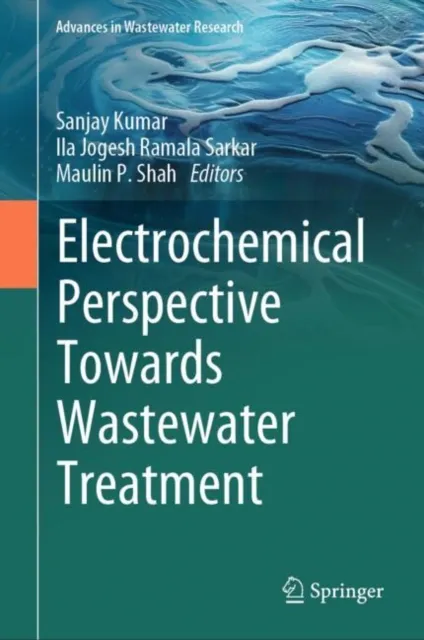
Electrochemical Perspective Towards Wastewater Treatment

Electrochemical Water Treatment Methods
This book presents electrochemical water treatment methods, which offer ways to find more sustainable solutions. The majority of electrochemical water treatment methods use electricity as the main reactant to conduct the treatment process. Among well-developed electrochemical water treatment methods such as electrocoagulation, electroflotation, electrodialysis, electrochemical oxidation-reduction, there are evolving methods, which show good pre fundamentals for their use in industry-scale applications. These methods increase the removal rates of pollutants, remove drawbacks, extend the applicability of existing electrochemical water treatment methods, and improve cost-efficiency.
Innovative Techniques and Future Potential
This book also delivers the improved and enhanced innovative techniques which are economical and efficient for wastewater treatment industry. In addition, the book will envisage the future potential of electrochemical treatment adaptation and a protocol for achieving graded water flexibility and a sustainable future.
Reactors and Practical Applications
The main typical reactors used for electrochemical water treatment methods are discussed in this book. Moreover, the volume includes some examples of electrochemical water treatment methods in practice and the activities of some companies working in the field of water treatment. At the same time, design solutions for reactors of developing electrochemical processes are still in the stage of optimization and development, which are presented in the book. There is often a difficulty in selecting the right size of equipment for the treatment of water with given flow rates and concentration of pollutants. This book focuses on the challenges and future tendencies for this highly efficient technology to reach the full-scale implementations as well.