$58.99
Dynastic Identity in Early Modern Europe
Rulers, Aristocrats and the Formation of Identities

Introduction
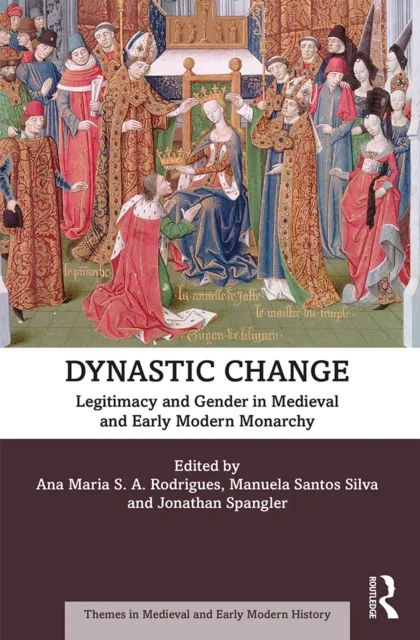
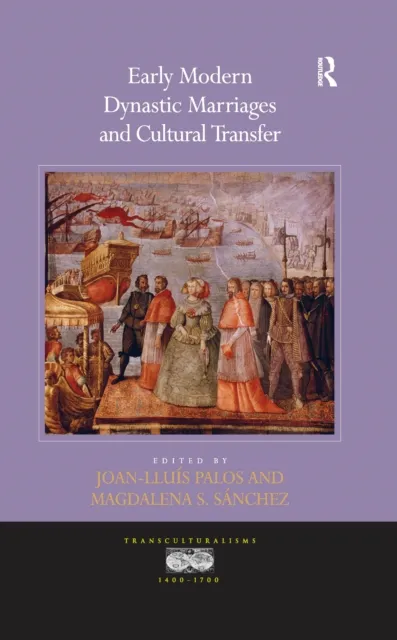
Aristocratic dynasties have long been regarded as fundamental to the development of early modern society and government. Yet recent work by political historians has increasingly questioned the dominant role of ruling families in state formation, underlining instead the continued importance and independence of individuals.
Scope of the Volume
In order to take a fresh look at the subject, this volume provides a broad discussion on the formation of dynastic identities in relationship to the lineage’s own history, other families within the social elite, and the ruling dynasty.
Contents
Individual chapters consider the dynastic identity of a wide range of European aristocratic families including the Croÿs, Arenbergs and Nassaus from the Netherlands; the Guises-Lorraine of France; the Sandoval-Lerma in Spain; the Farnese in Italy; together with other lineages from Ireland, Sweden and the Austrian Habsburg monarchy.
Thematic Focus
Tied in with this broad international focus, the volume addresses a variety of related themes, including the expression of ambitions and aspirations through family history; the social and cultural means employed to enhance status; the legal, religious and political attitude toward sovereigns; the role of women in the formation and reproduction of (composite) dynastic identities; and the transition of aristocratic dynasties to royal dynasties.
Conclusion
In so doing, the collection provides a platform for looking again at dynastic identity in early modern Europe, and reveals how it was a compound of political, religious, social, cultural, historical and individual attitudes.