$63.99
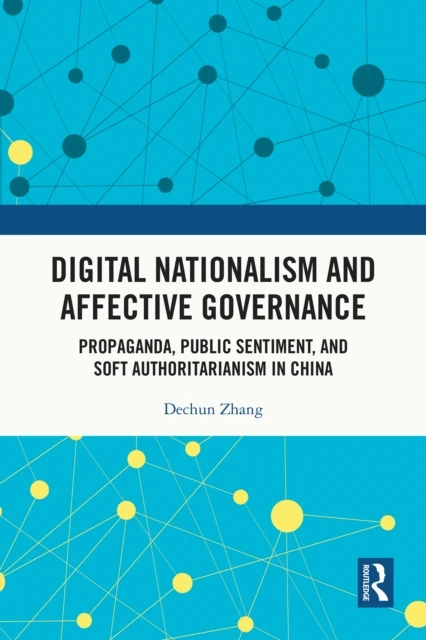
Digital Nationalism and Affective Governance
Propaganda, Public Sentiment, and Soft Authoritarianism in China

Introduction
This book examines how government propaganda and everyday online activity shaped China's digital nationalism in response to the first wave of the COVID-19 pandemic.
Focus on Weibo
With a focus on Weibo, it demonstrates how state media promoted nationalism and how the public responded by either supporting or quietly challenging official narratives, or reshaping them.
Methods and Case Studies
Using a variety of methods, including large-scale social media analysis and focused case studies, the book shows how digital platforms became pivotal communication hubs during the pandemic.
Digital Propaganda and Public Reactions
The book also examines state-led digital propaganda by outlets such as People's Daily, public reactions to China's vaccine policy, and the anger surrounding the Wuhan Red Cross scandal.
Interaction of Emotion, Visibility, and Participation
Together, these cases reveal how emotion, visibility, and participation interact to sustain soft authoritarianism, a form of governance based not only on censorship, but also on managing public sentiment and engagement.
Perspective and Significance
Accessible and timely, this book provides a new perspective on the relationship between propaganda, nationalism, and digital media. It illustrates how nationalism and political authority are co-produced online and how governments and citizens negotiate power in an increasingly digital society.
Audience
This book will be invaluable for scholars and students of political communication and digital media, as well as for those interested in the digital society of China.