$294.99
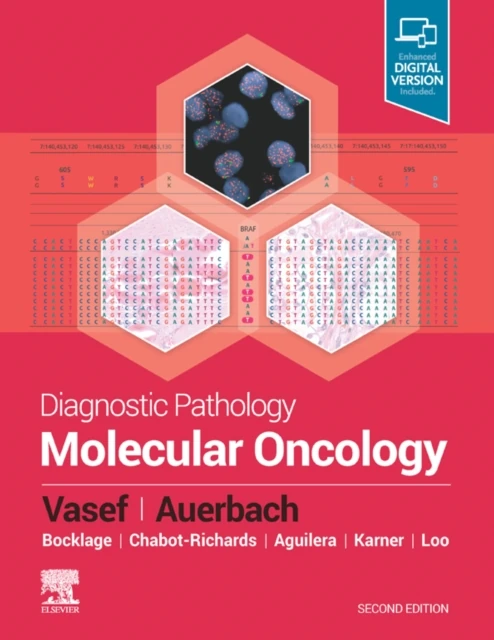
Diagnostic Pathology: Molecular Oncology E-Book
Diagnostic Pathology: Molecular Oncology E-Book

Covering all aspects of molecular pathology as it relates to the transformation and pathogenesis of cancer
This award-winning volume in the Diagnostic Pathology series is an expert resource for pathologists at all levels of experience and training, both as a quick reference and as an efficient review to improve knowledge and skills. This easily accessible, point-of-care reference features templated, bulleted content that is generously illustrated with charts, graphs, tables, and color photomicrographs of histology with special stains. It offers a practical, clinical approach to examining how molecular mutations affect common medical diseases and identifies the relevant and appropriate molecular tests to perform for a complete work-up in the era of molecular-targeted therapies.
Provides updated information on molecular mutations in different tumors, including solid tumors and hematopoietic neoplasms, and new targeted therapies geared toward these molecular alterations
Discusses now widely used immunotherapy treatments, including how immunotherapy has revolutionized the treatment of many neoplasms such as breast and lung carcinomas and lymphoma
Features more than 2,000 annotated images throughout, including H&E stains, immunostains, and FISH images
Covers timely topics such as:
- Recent advances in cancer immunotherapy, specifically in the molecular basis of immunotherapy
- Newly discovered targeted therapies, including multiple lung carcinoma therapies now considered for patients based on existing mutations to specific genes (KRAS, ALK, BRAF, and ROS)
- The need for integration of myeloid and lymphoid gene panels due to increased knowledge from next generation sequencing studies of new mutations and the resulting newly developed molecular targets
- Increased usage of next generation sequencing techniques
- Changes to hematopoietic tumor details based on revised WHO guidelines
Recipient of a 2016 BMA Award: Highly Commended, Pathology (previous edition)