$31.99
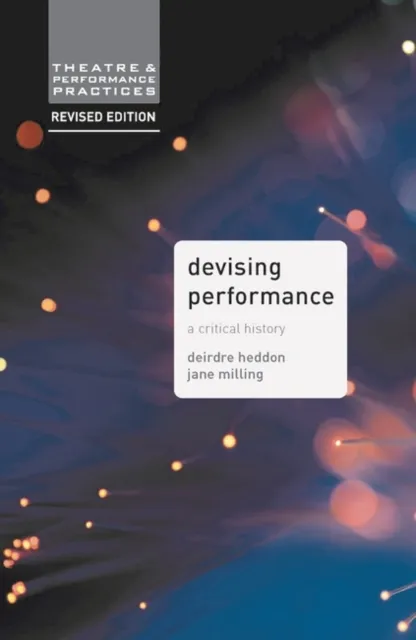
Devising Performance
A Critical History

What is the history of devised theatre?
Devised theatre has a rich history that has evolved over time, particularly gaining prominence since the 1950s. Theatre-makers have increasingly chosen to devise performances as a way to create collaborative and innovative works that reflect contemporary issues and diverse voices.
Why have theatre-makers, since the 1950s, chosen to devise performances?
Since the 1950s, theatre-makers have turned to devising as a method to foster collaboration, explore new creative processes, and challenge traditional theatrical conventions. It allows for collective input and often results in more experimental and socially engaged performances.
What different sorts of devising practices are there?
Devising practices vary widely, including improvisation-based methods, collaborative writing, physical theatre techniques, and ensemble-based creation processes. Each approach offers different ways for performers and creators to develop material together.
What are the myths attached to devising, and what are the realities?
Myths about devising often suggest it is a chaotic, unstructured process or that it lacks artistic rigor. In reality, devising can be highly disciplined, strategic, and methodical, involving careful planning, research, and rehearsal to produce cohesive performances.
About the book Devising Performance
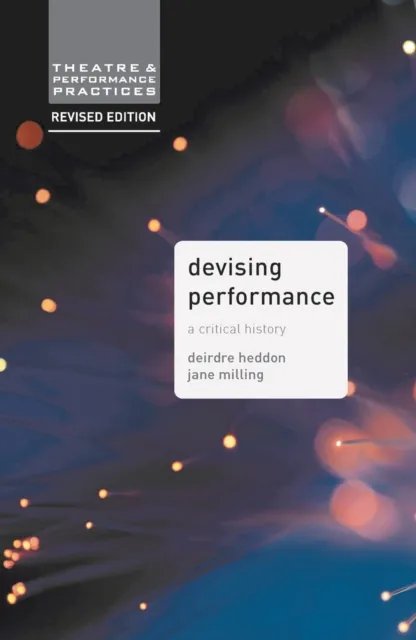
First published in 2005, Devising Performance remains the only book to offer a history of devising practice. Charting the development of collaboratively created performances from the 1950s to the early 21st century, it presents a range of case studies drawn from Britain, America, and Australia. Companies discussed include The Living Theatre, Open Theatre, Australian Performing Group, People Show, Teatro Campesino, Théâtre de Complicité, Legs on the Wall, Forced Entertainment, Goat Island, and Graeae. Providing a history of devising practice, Deirdre Heddon and Jane Milling encourage us to look more carefully at the different modes of devising and to consider the implications of our use of these practices in the 21st century.