$5.39
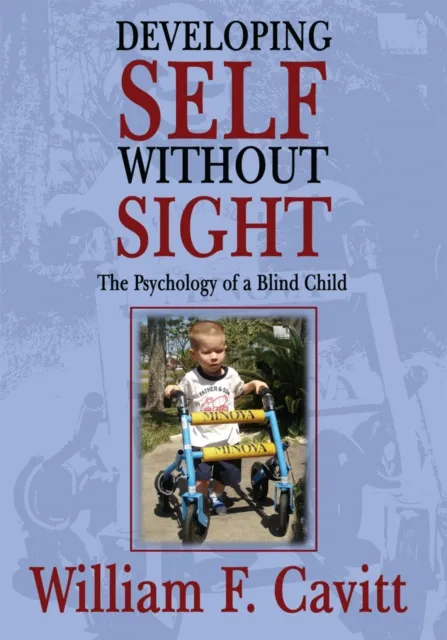
Developing Self Without Sight
The Psychology of a Blind Child

Introduction
A child sighted or blind is born into this world with all the building blocks for what they can become. This physical material is impacted by the child's environment over a lifetime while the self evolves. The self is the same in blind children as it is in the sighted, only the developmental process is different. Both children have the same starting materials: mind, body, and spirit. With these parts, the child develops a process of thinking, feeling, and behaving toward other people, objects, and situations, and they recognize that others also think, feel, and behave in their environment.
It is with their thoughts, emotions, and actions that children relate to their world using physical, emotional, cognitive, social, and moralistic attributes, and through this interrelationship, the self evolves. The self is everything that exists in a person's unique world, and it exists because of their self-concept and self-esteem. Aspects of self-concept are the elements of well-being that assist our survival in our environment. They consist of all the physical things, our personality, feelings toward life, our knowledge and problem-solving techniques, how we successfully interface with others; and our social and spiritual values in life.
If our self-concept contains the important things and issues in life, and there is a high regard for them, then our self will evolve in a manner conducive to peace and harmony. If not, the opposite will occur. The blind child must build a self with a missing part. Granted, self will evolve for a blind child, but it must be augmented by all other senses of the body in order to enhance the mind and spirit.
A blind child's thoughts, feelings, and behaviors serve the same purpose as they do for a sighted child, but will evolve differently. The physical, emotional, cognitive, social, and moral concepts are necessary, but are obtained without the benefit of the automatic process of seeing. The self evolves, but the conduit for inputting their environment is different for a blind child.
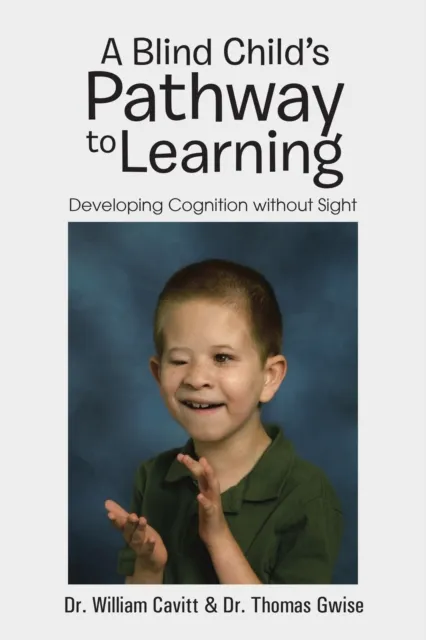
This is the story of a four-year-old blind boy named Cavitt and how his self is evolving. His adventures can be used to assist other blind children in developing their self. The book vividly illustrates the psychology of a blind child as he lives this psychology. It is the development of a self that is Cavitt.