$132.99
Democracy, Bureaucracy and Technocracy: Assumptions of Public Management Theory

Introduction
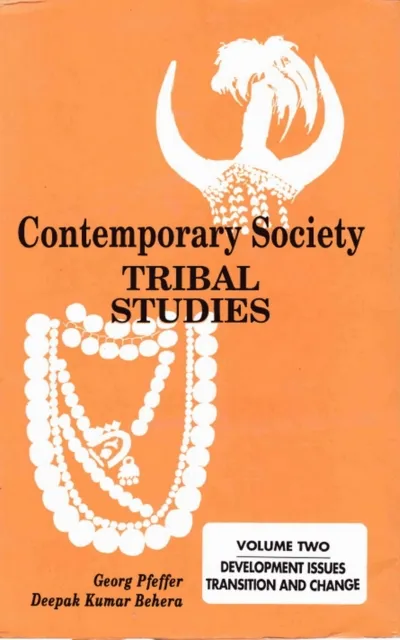
The present book on the tribal customary law is based on a survey conducted by Anthropological Survey of India in 1976-77 as part of a larger survey of tribal society including tribal movements and tribal economy, constituting a trilogy. The project on Customary Law initially covered seventy tribal communities. However, only forty of the papers have been selected for presentation in this volume.
Content and Focus
The papers deal with tribal ethnography, tribal customary law and the processes of change in recent years. These three dimensions are explored in most of the tribal communities covered by this survey, with particular reference to the tribals at different stages of socio-economic and technological development, such as the hunting and gathering communities, nomads, peasants etc.
Significance of Tribal Customary Law
Tribal customary law is intrinsic to tribal identity in our multicultural system. Tribal customary laws have survived intact, even flourished. The tribal communities have shown extraordinary resilience and pragmatism in coping with challenges and adapted their institutions and tribal laws.
Call for Further Action
There is a need for further studies and a more energetic action in codifying tribal customary laws so that the knowledge of the tribal laws is made available to various judicial and executive authorities in deciding matters affecting the tribal people.