$199.99
Decarbonization of Road Transportation
The Electric Vehicle (EV) Transition

Introduction
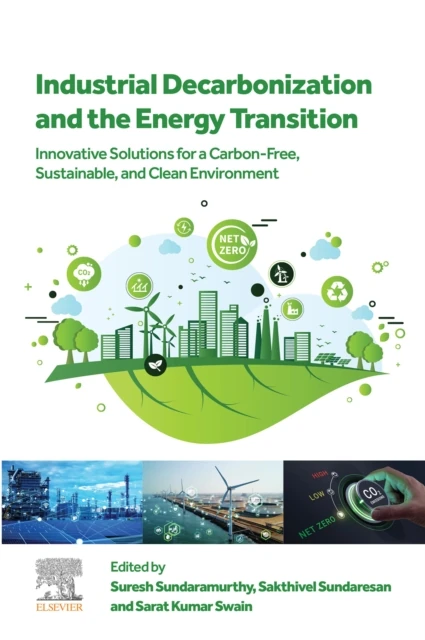
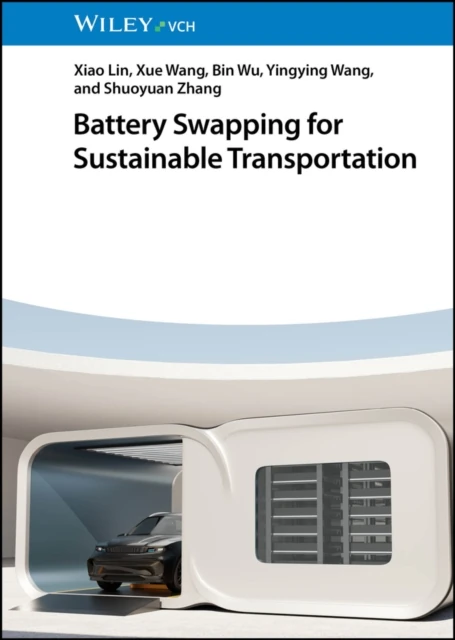
This book describes the transition from gasoline-powered vehicles to electric vehicles (EVs), which is the most effective strategy for decarbonizing land transportation. This shift can significantly reduce greenhouse gas emissions and dependence on fossil fuels, paving the way for a sustainable transport system.
Impact of EV Adoption
Increased EV adoption has the potential to lower greenhouse gas (GHG) emissions substantially, with projections suggesting that emissions from fuel production lead to net zero by 2040 through energy-sector decarbonization. This book explores recent advancements in EV adoption across various regions, which are largely driven by government policies such as subsidies and regulations that make EV ownership more accessible compared to traditional internal combustion engine (ICE) vehicles.
Challenges and Critical Issues
Despite these favorable policies, the rate of EV adoption has not met expectations, highlighting a gap between policy intent and environmental impact. This book examines critical issues such as rapid depreciation and technological evolution. It emphasizes the interplay between advancements in EV technology—particularly lithium-ion batteries and artificial intelligence—and their implications for sustainable development.
Goals and Resources
The text stresses importance of achieving zero-carbon emissions and fostering sustainable practices across scientific, technological, and economic dimensions. Ultimately, this book serves as a vital resource for understanding how effective transportation technologies can contribute to a cleaner environment and sustainable future.
Target Audience
This comprehensive book is tailored for undergraduate and postgraduate engineering students, as well as professionals and researchers in environmental science, electrical engineering, transportation, and renewable energy sectors.