$115.99
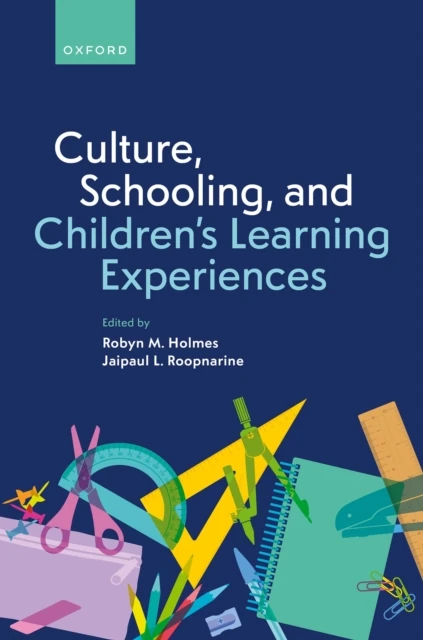
Culture, Schooling, and Children's Learning Experiences

Introduction
As countries experience increasing cultural diversity both within and between their borders, contemporary researchers are exploring the connection between culture and children's learning and academic experiences. One important goal is to provide all children with educational experiences that are culturally sensitive, relevant, and effective in helping them reach their maximum potential and preparing them for the future.
Volume Overview
With over twenty-five contributing authors, this volume investigates the connection between culture and children's schooling and learning experiences from multidisciplinary perspectives, diverse methodologies, and cross-cultural and culture-specific approaches. The common thread running through the chapters is the understanding that learning is an activity that takes place within cultural contexts. Together, the chapters highlight the forces that shape children's everyday learning experiences.
Core Themes
Core themes address how parental beliefs and cultural ways of learning and problem-solving shape children's learning experiences and social interactions with teachers; the importance of quality early childhood education and playful learning to children's school success and development; and how the complex intersection of cultural variables with forces such as historical injustice, social and educational inequality, economic stability, and political ideologies shape children's learning.
Honoring Diverse Experiences
The volume honors the experiences of Indigenous, newcomer, first-generation children, and children of underrepresented communities and highlights the vital role that policy makers, teacher educators, schools, and classroom educators play in helping all children reach their academic and social potential.