$160.99
Culture Evolving
Bridging Life Sciences and Humanities

Introduction
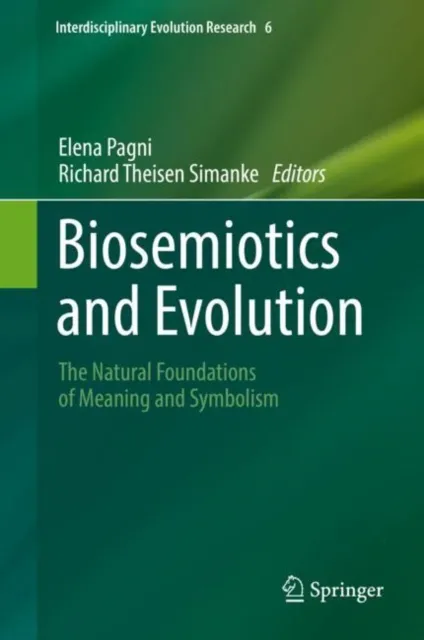
This volume examines how evolutionary principles can help us understand the dynamics of culture while acknowledging the risks of their uncritical application. Drawing on perspectives from the philosophy and history of science, anthropology, archaeology, behavioural science, and evolutionary biology, it explores how ideas about evolution have shaped – and at times distorted – our understanding of human nature and cultural change. The book also shows how biosemiotics provides a promising framework for bridging biological and cultural perspectives.
Part 1: Historical Roots and Conceptual Assumptions
The volume is organised into four parts. The first discusses the historical roots of evolutionary thinking and the conceptual assumptions that made it possible, as well as the dangers of ideological misuse of analogies between cultural and biological evolution.
Part 2: Evolutionary Ideas in Anthropology and Archaeology
The second part examines how evolutionary ideas have influenced anthropology and archaeology, while the third addresses key theoretical perspectives to the study of cultural transmission and change, including the cognitive mechanisms involved.
Part 3: Theoretical Perspectives and Cognitive Mechanisms
The third addresses key theoretical perspectives to the study of cultural transmission and change, including the cognitive mechanisms involved.
Part 4: Biosemiotics and Meaning-Making
The final part focuses on biosemiotics and explores how meaning-making processes connect biological and cultural evolution.
Conclusion
The volume does not propose a single unified theory, instead the contributors engage in a dialogue across disciplinary boundaries, showing how the humanities and life sciences can mutually inform each other through shared attention to evolutionary and semiotic processes. The book combines theoretical reflection with a balanced presentation of key ideas, aiming to make complex ideas accessible to readers from a range of disciplines interested in cultural evolution, biosemiotics, and the interplay between biology and culture.