$185.99
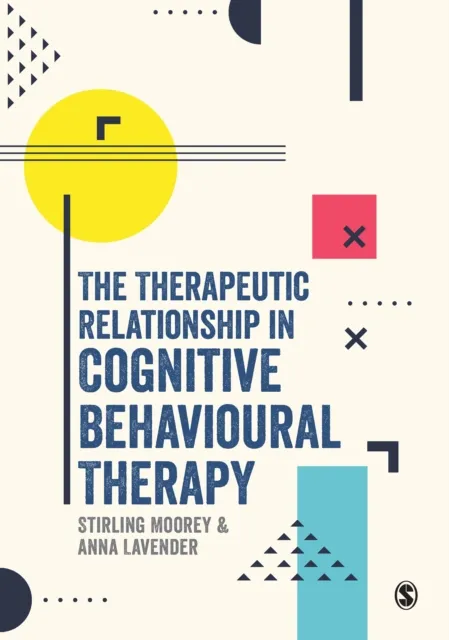
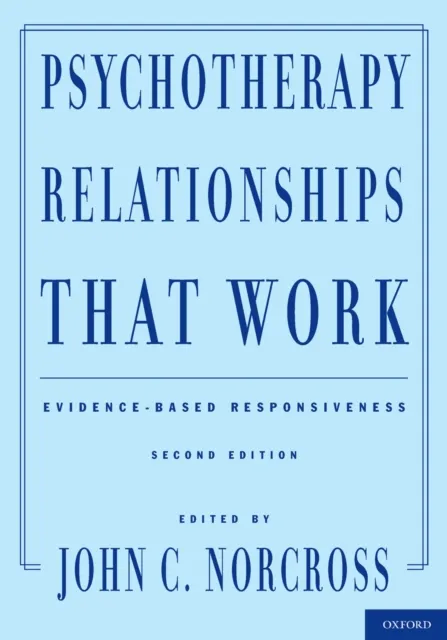
Cultivating the Therapeutic Relationship in Cognitive Behavioral Therapy

Overview
This book provides an evidence-based, up-to-date overview of the centrality of the therapeutic relationship in cognitive behavioral therapy (CBT). Contemporary scholarship on the importance of the therapeutic alliance is examined alongside less-discussed aspects such as transference, countertransference, and the real relationship. By integrating theoretical insights with practical clinical applications, this volume represents a pinnacle of psychotherapy integration. It is an essential resource for mental health professionals including psychologists, psychiatrists, and social workers as well as researchers.
Importance of Therapeutic Relationship
Cognitive behavior therapy is one of the most extensively researched treatments for depression and anxiety disorders and compares favorably with other interventions with an enduring effect that medications lack. This volume examines the contribution of the therapeutic relationship to the efficacy and enduring effects long attributed to this modality with contributions from leading theorists in the field. It is a "must read" for practitioners and researchers of the approach.
Insights and Practical Suggestions
Wenzel and colleagues examine the therapeutic relationship in CBT with a combination of intellectual rigor, practical suggestions, and deep humanity, resulting in a book useful to both novice therapists and seasoned CBT educators. There are clinical examples illustrating why being human together is a rich and potentially formative therapeutic experience. It provides an antidote to the mythology that CBT is for the technician and explains the science behind why.
Components of the Therapeutic Relationship
The book assembles components that constitute goal-oriented work by expanding on the healing process, relational strategies, collaboration, and ruptures in treatment alliances. The chapters are clearly written and well researched. It is a must read for both novices and seasoned practitioners aspiring to excel in CBT.
Strategies and Tactics
Leading experts provide actionable strategies for maximizing the patient-therapist relationship to improve treatment outcomes. Concepts such as working alliance and outcome expectancies are reviewed, along with issues like countertransference in CBT. The chapters include detailed case examples and session transcripts to guide practice.