$127.99
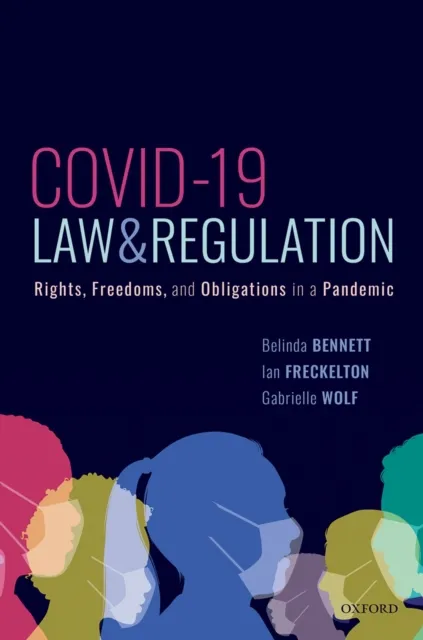
COVID-19, Law & Regulation
Rights, Freedoms, and Obligations in a Pandemic

COVID-19 Pandemic and Legal Responses
COVID-19 is the most severe pandemic the world has experienced in a century. This book analyses major legal and regulatory responses internationally to COVID-19, and the impact the pandemic has had on human rights and freedoms, governance, the obligations of states and individuals, as well the role of the World Health Organization and other international bodies during this time.
The authors examine notable legal challenges to public health measures enforced during the pandemic, such as lockdown orders, curfews, and vaccine mandates. Importantly, the book contextualizes the legal analysis by examining the broader social and economic dimensions of risks posed by the pandemic.
Impact on Legal and Social Systems
The book considers how COVID-19 impacted the operation of the criminal justice system, civil litigation concerning negligently caused deaths and business losses arising from contractual breaches, consumer protection litigation, disciplinary regulation of health practitioners, coronial inquests and other investigations of unexpected deaths, and occupational health and safety issues.
Legal Achievements and Challenges
The book reflects on the role of the law in facilitating the remarkable scientific and epidemiological achievements during the pandemic, but also the challenges of ensuring the swift production and equitable distribution of treatments and vaccines.
Future Perspectives
It concludes by considering the possibilities that the legal and regulatory responses to this pandemic have illuminated for effectively tackling future global health crises.