$92.99
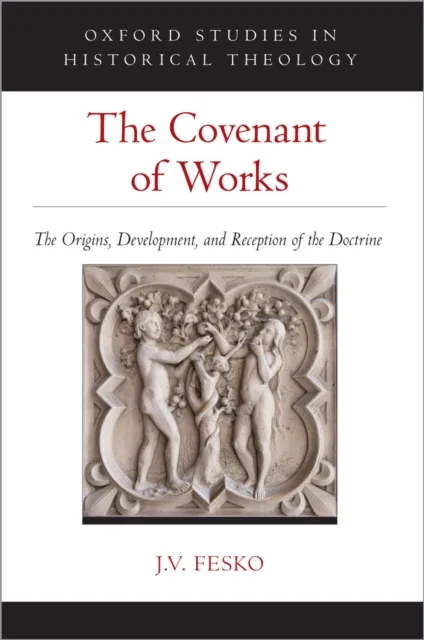
Covenant of Works
The Origins, Development, and Reception of the Doctrine

The Doctrine of the Covenant of Works
The doctrine of "the covenant of works" arose to prominence in the late sixteenth century and quickly became a regular feature in Reformed thought. Theologians believed that when God first created man he made a covenant with him: all Adam had to do was obey God's command to not eat from the tree of knowledge and obey God's command to be fruitful, multiply, and subdue the earth. The reward for Adam's obedience was profound: eternal life for him and his offspring. The consequences of his disobedience were dire: God would visit death upon Adam and his descendants. In the covenant of works, Adam was not merely an individual but served as a public person, the federal head of the human race.
The Covenant of Works
explores the origins of the doctrine of God's covenant with Adam and traces it back to the inter-testamental period, through the patristic and middle ages, and to the Reformation. The doctrine has an ancient pedigree and was not solely advocated by Reformed theologians. The book traces the doctrine's development in the seventeenth century and its reception in the eighteenth, nineteenth, and twentieth centuries. Fesko explores the reasons why the doctrine came to be rejected by some, even in the Reformed tradition, arguing that interpretive methods influenced by Enlightenment thought caused theologians to question the doctrine's scriptural legitimacy.